
Electromagnetic Shielding Textiles: Main Categories, Mechanisms & Use Cases
Electromagnetic shielding textiles are functional fabrics that block or attenuate EM waves through reflection, absorption, and multiple internal reflections. Combining softness, low weight, and breathability, they are widely used in information security, personal protection, and device EMC to mitigate potential impacts on humans, sensitive equipment, and the broader EM environment.
How EM Shielding Works
Three Main Categories
Category Comparison
Applications
Performance & Testing
Material Selection Tips
Care & Durability
How EM Shielding Works
When EM waves strike a textile, part of the energy is reflected, part is absorbed within conductive or magnetic pathways, and some undergo multiple internal reflections that further dissipate energy. Effective designs balance conductivity, magnetic loss, and structural pathways to achieve target attenuation across relevant frequencies.
Three Main Categories Of EM Shielding Textiles
Conductive Fiber Blends
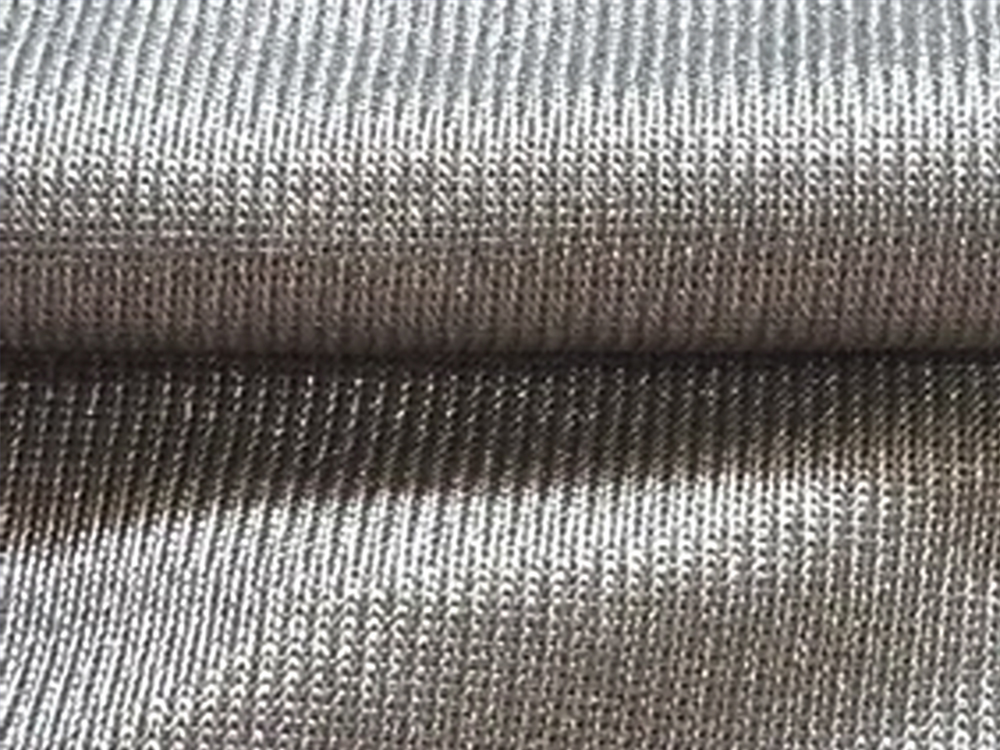
Conductive fibers are blended with natural or synthetic fibers to create conductive yarns, then knitted or woven into shielding fabrics. Common conductive constituents include stainless steel, silver- or copper-based fibers, metal-coated fibers, intrinsically conductive polymers, and carbon fibers.
The overall shielding effectiveness (SE) depends on fiber properties, inter-fiber percolation networks, and fabric construction. Core-spun yarns—conductive core with comfort fibers in the sheath—are popular for enhanced hand feel and wearability without sacrificing performance.
Surface-Modified Fabrics
Non-conductive fibers/textiles are surface-treated to become conductive via electroplating, electroless plating, magnetron sputtering, surface coating, or in-situ polymerization. These methods deposit conductive particles or films that improve electrical and magnetic parameters, raising EM attenuation.
Note: Bonding strength between metallic layers and flexible substrates can be a durability bottleneck. Process tuning and protective finishes help mitigate delamination and preserve conductivity after use and laundering.
Filler Composite Fibers
Conductive or magnetic fillers are compounded with polymers by melt/solution blending, in-situ polymerization, or co-precipitation, then converted into fibers (e.g., electrospinning, melt-blown). Properly dispersed fillers enable tunable SE across target bands.
Performance is sensitive to filler dispersion. Surface modification for improved interfacial compatibility and synergistic systems combining conductive and dielectric fillers often deliver higher and more stable SE.
Category Comparison
|
Category
|
Typical Strengths
|
Key Trade-offs
|
Typical Uses
|
|---|---|---|---|
|
Conductive Fiber Blends
|
Stable SE, good mechanical strength, breathable; core-spun improves comfort
|
Material cost (precious metals), SE depends on network continuity
|
Wearables, uniforms, curtains, gaskets
|
|
Surface-Modified
|
Broad applicability, cost-effective, and high initial conductivity
|
Coating adhesion & wash durability; process control is critical
|
Linings, covers, architectural textiles
|


