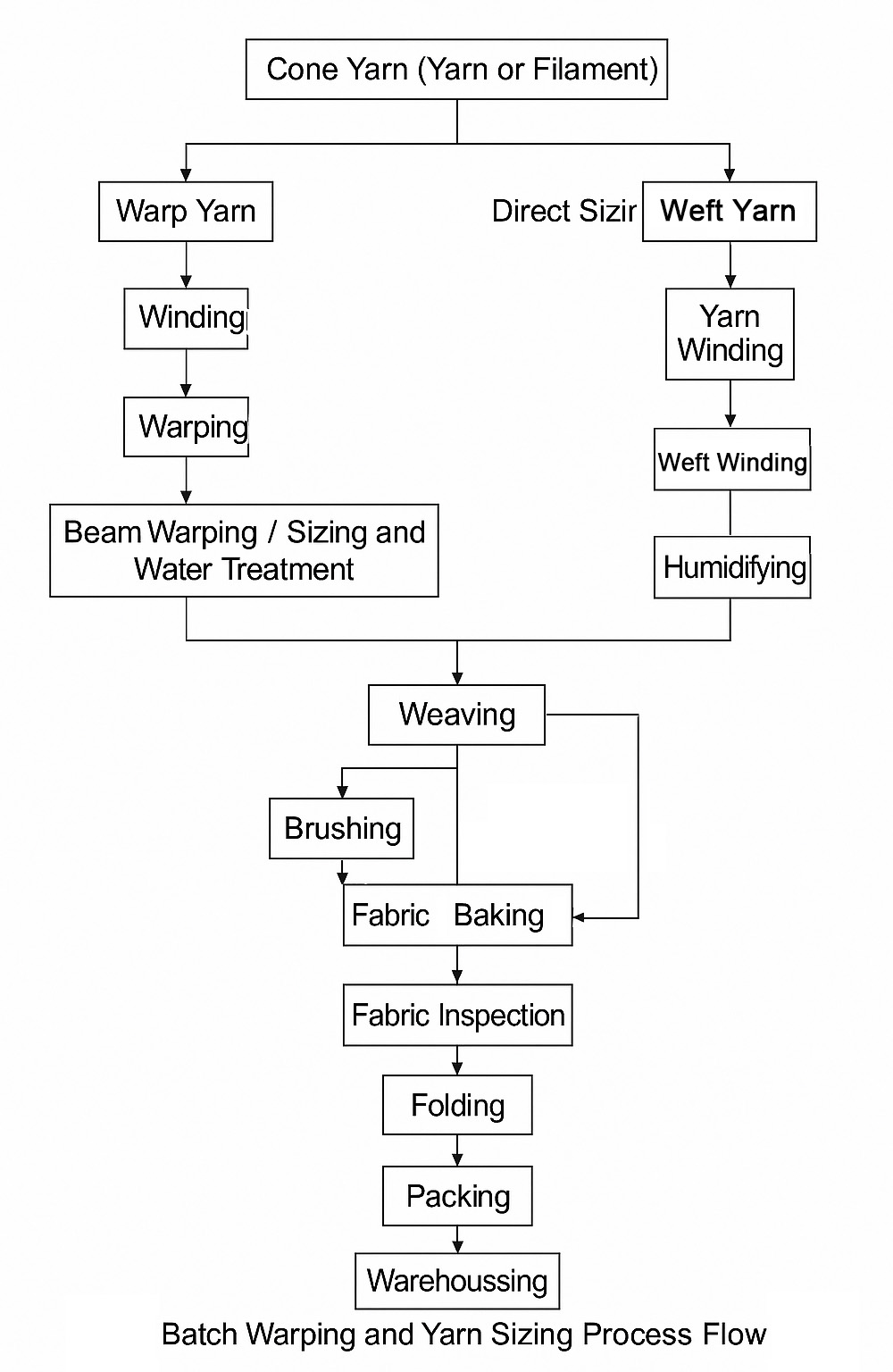
1. Batch Warping and Sizing Process Flow
This process is mainly applied to the production of high-performance textiles, such as pre-oxidized fiber fabrics, aramid fabrics, polyimide fabrics, and others. Products using the batch warping and sizing process are generally produced in large quantities, and most of the fabric structures are relatively simple. Certain simple stripe and check-patterned yarn-dyed fabrics can also be made using this process.
2. Sectional Warping Process Flow
The sectional warping process is mainly used for the production of high-performance textiles, pre-oxidized fiber fabrics, aramid fabrics, polyimide fabrics, carbon fabrics with diverse patterns and smaller production batches.
Due to differences in raw materials and products, in the preparation stage, for wool fabrics and yarn-dyed fabrics using plied yarns as warp and weft, the original yarns must first undergo doubling, twisting, winding, and steaming to set the twist, transforming the spun yarn into plied yarn.
For yarn-dyed fabrics that use colored yarns as warp and weft, the raw yarn must go through scouring and dyeing processes.
For silk fabrics and synthetic filament fabrics that use natural silk or synthetic filaments as warp or weft, the yarns typically undergo processes such as impregnating, combining, twisting, and twist setting.
For synthetic filament yarns, the sizing process often adopts the method of sizing first and then combining the beams.
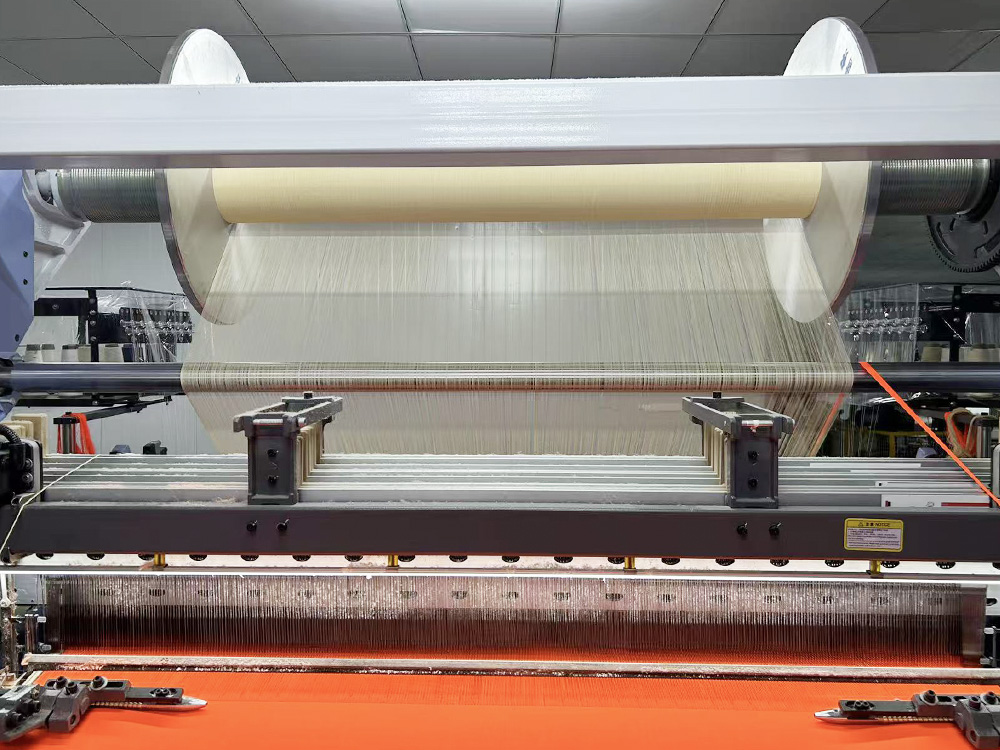
1. Winding (Reeling)
In integrated spinning and weaving textile operations, yarns intended for weaving are mostly transferred from the spinning department to the weaving department in the form of bobbin yarns.
Because bobbins have small yarn capacity, using them directly for warping would require frequent replacements, causing repeated stoppages of the warping machine and reducing production efficiency.
Additionally, bobbin yarns often contain impurities and defects that affect fabric quality.
Therefore, the winding process is necessary to convert the low-capacity bobbin yarns into larger-capacity, well-formed cones with appropriate density, while simultaneously removing defects and impurities.
For weft yarns used in shuttleless looms, yarns must also be wound into well-shaped and structurally sound cones.
Requirements for the winding process include:
- Yarn should be wound into large-capacity, well-formed cones with proper and uniform winding tension and density, facilitating transportation and storage.
- Yarn defects and impurities should be removed as much as possible without damaging the yarn’s original physical and mechanical properties.
- Ensure that the yarn splices (joins) meet quality standards.
2. Warping
The purpose of the warping process is to wind a specified number of cone yarns onto a warp beam or weaving beam according to the requirements of process design, maintaining uniform length, parallel alignment, width, and arrangement sequence, preparing them for sizing or drawing-in.
Warping quality significantly affects the smooth execution of the sizing process and the final fabric quality, so it must meet the following process requirements:
Common warping methods in textile mills are divided into batch warping and sectional warping, based on their technical characteristics.
- Batch Warping:
The total number of warp ends required for the full-width fabric is divided into several batches and wound onto multiple warp beams (with each beam carrying approximately the same number of ends). These beams are then merged and sized (or passed through water) on a sizing machine and rewound onto a weaving beam of the desired length.
This method is suitable for large batches of greige fabrics and is characterized by high speed and efficiency, although it tends to produce more yarn waste.
-
Sectional Warping:
The total number of warp ends for the full-width fabric is divided into several sections based on the capacity of the creel and the color pattern repeat. These sections are wound side by side onto the warping drum at specified width and length, then simultaneously rewound onto the weaving beam.
Warps prepared by sectional warping usually do not require sizing.
This method is advantageous for arranging colored yarns or warp yarns of different properties and structures, with less yarn waste.
However, it has lower production efficiency and is mainly used for small batches and multi-variety fabrics such as yarn-dyed, wool, silk, and towel fabrics.
Warping process requirements:
- Individual yarn tension and overall sheet tension must be uniform and consistent.
- Yarn arrangement and winding density on the warp beam must be even, and the beam should be well-shaped and round.
- The number of ends, yarn length, and arrangement order must strictly follow the process design.
- Splice quality must meet standards, with minimal yarn waste and high efficiency.
3. Sizing
The sizing process involves applying size to the warp yarns on a sizing machine. Several warp beams are combined to form the total number of warp ends needed, and the sized yarns are wound into a weaving beam.
Objectives of sizing:
-
To suppress yarn hairiness,
-
Enhance yarn strength and abrasion resistance,
-
Preserve the original elasticity and elongation of the yarn,
-
Improve warp performance during weaving.
As a crucial process in warp preparation, sizing quality greatly impacts weaving. Proper sizing enables high-efficiency, high-quality, low-waste weaving; poor sizing causes severe weaving issues.
Sizing operation:
Yarn is passed through a specially formulated sizing solution via immersion, squeezing, and drying. A portion of the size coats the yarn surface forming a strong film that smooths the surface and suppresses hairiness. Another portion penetrates the yarn, bonding the fibers to enhance cohesion and strength.
Requirements for sizing:
- Sizing materials and solution concentration must meet strict standards.
- The sizing film should be soft, strong, smooth, and elastic.
- Sizing must meet design targets for pick-up rate, moisture content, and elongation.
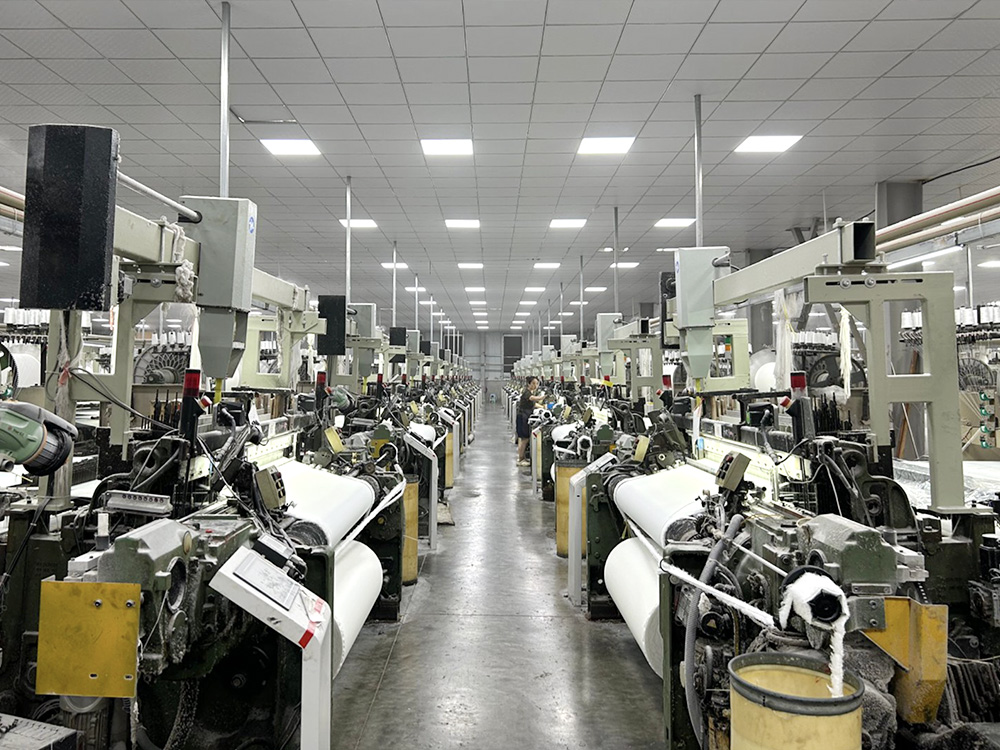
4. Drawing-in and Weft Yarn Preparation
Drawing-in is the final process in warp yarn preparation. Based on the fabric design, all warp yarns on the weaving beam are drawn through the drop wires, healds, and reed dents in a specific sequence to form the shed during weaving and ensure proper fabric structure.
Accurate drawing-in is critical to avoid weaving errors and ensure correct fabric structure and dimensions.
Knotting (tying-in) serves the same purpose as drawing-in but uses a different method. It ties the new warp yarns to the ends remaining on the loom from the previous warp, and then pulls all new yarns through the stop motion, healds, and reed.
This method is fast and convenient, especially for complex and repeated fabric types.
Weft yarn preparation includes winding, pirn winding, and thermal/moist twist setting:
- Winding prepares weft yarns into cones suitable for shuttleless looms.
- Pirn winding winds yarns into pirns (weft bobbins) suitable for shuttle looms.
- Thermal/moist twist setting fixes the twist of weft yarns to prevent issues such as weft contraction and loops during weaving.
After weaving, fabrics must undergo inspection, folding, mending, and packaging.
In humid regions, fabrics may require drying to prevent mold or deterioration during storage and transport.
Some greige cotton fabrics also undergo brushing to remove neps and impurities, improving appearance.


