Carbon fiber composites are made by combining two or more different materials, such as fibers and resins, to create a product with special structural properties.
1. Adhesives
A thermosetting resin (such as epoxy, phenolic or BMI) in film or paste form that cures under heat and pressure to bond various composites, metals and honeycomb surfaces.
2. Aromatic polyamide
A high-strength, high-stiffness fiber derived from polyamide. Kevlar™ and Nomex™ are both aramids (aromatic polyamides).
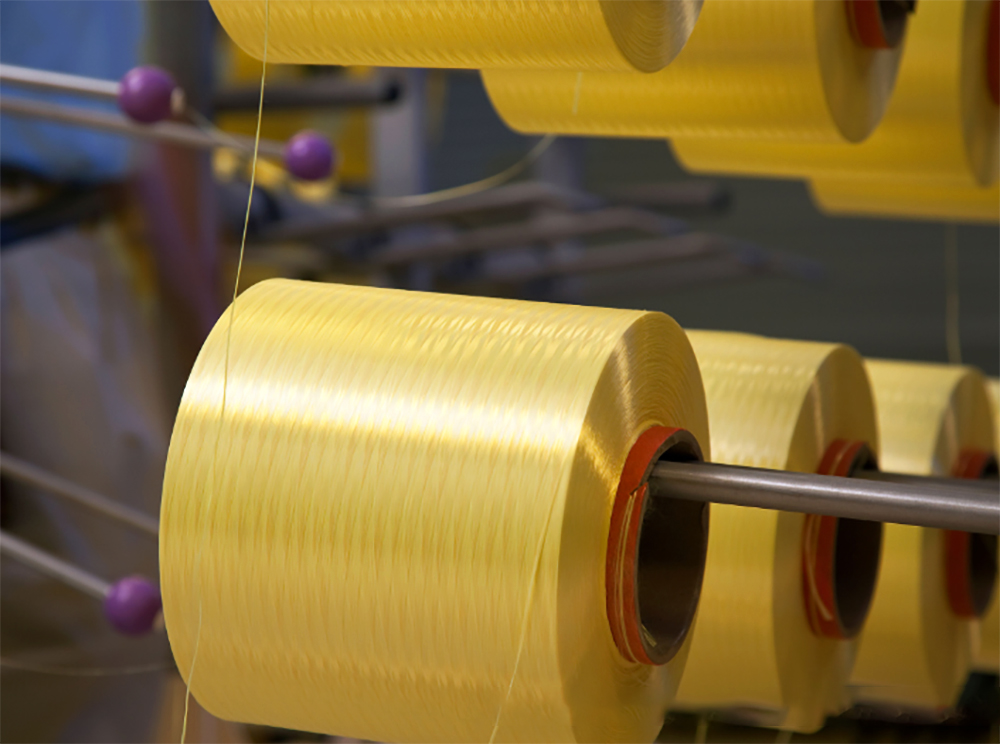
3. Nomex™ A registered trademark of DuPont, including high-temperature resistant aramid paper, laminated paperboard, staple fibers and filament yarns. Nomex™ aramid paper is used in honeycomb manufacturing.
4. Kevlar™ An aramid fiber from DuPont. Woven Kevlar™ is used in ballistic and composite applications.
5. Glass fiber Filaments made by stretching molten glass. Woven into fabrics by Hexcel, often used as reinforcements in composites.
6. PAN (Polyacrylonitrile) A high molecular polymer that is spun into fibers and used as a precursor material in the manufacture of certain carbon fibers.
7. Precursors PAN (polyacrylonitrile)rayon or pitch fibers from which carbon or graphite fibers are made.
8. Carbon fibers Carbon fiber produced by carbonizing precursor fibers on a PAN (polyacrylonitrile), rayon or pitch matrix. This term is often used interchangeably with graphite fibers. However, carbon fibers and graphite fibers are made and heat treated at different temperatures and have different carbon contents.
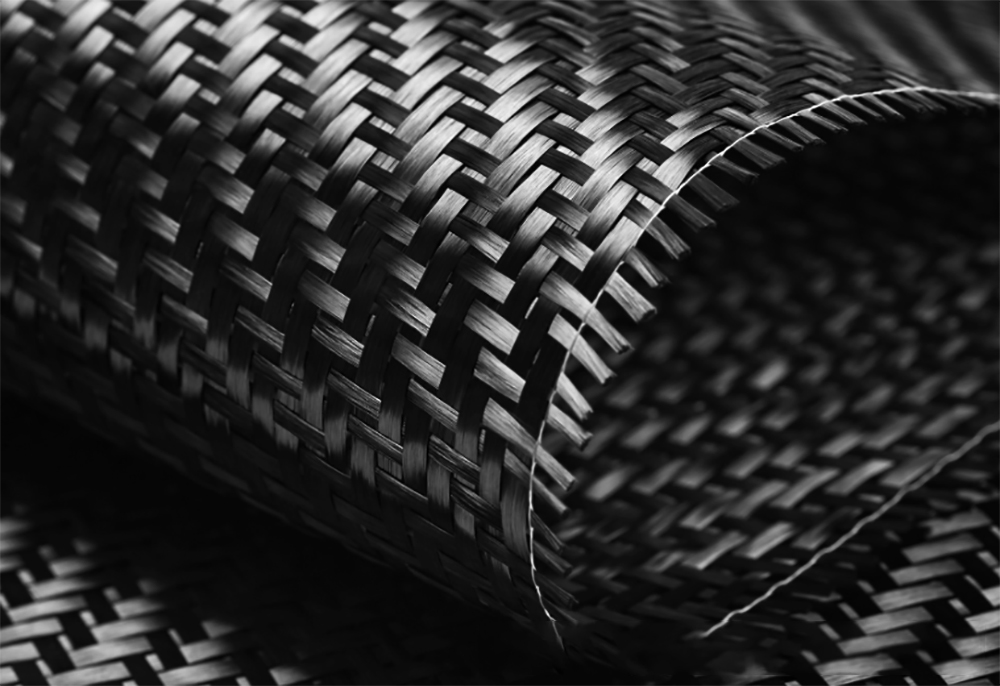
9. Composites The combination of two or more different materials, such as fibers and resins, to create a product with special structural properties that are not present in the raw materials.
10. Reinforcement A high-strength material that is combined with a resin matrix to form a composite. Reinforcements are usually continuous fibers that can be woven. Glass fibers, aramid and carbon fibers are typical reinforcements.
11. Reinforcement fabrics Woven glass fibers, carbon fibers or aramid fabrics used in prepreg and honeycomb production.
12. Resin matrix In reinforced fiber composites, a formulated polymer matrix.
13. Prepreg (pre-impregnated) Composites made of high-performance reinforcing fibers or fabrics combined with a thermosetting or thermoplastic resin matrix. When cured under high temperature and pressure, special structural properties are achieved.
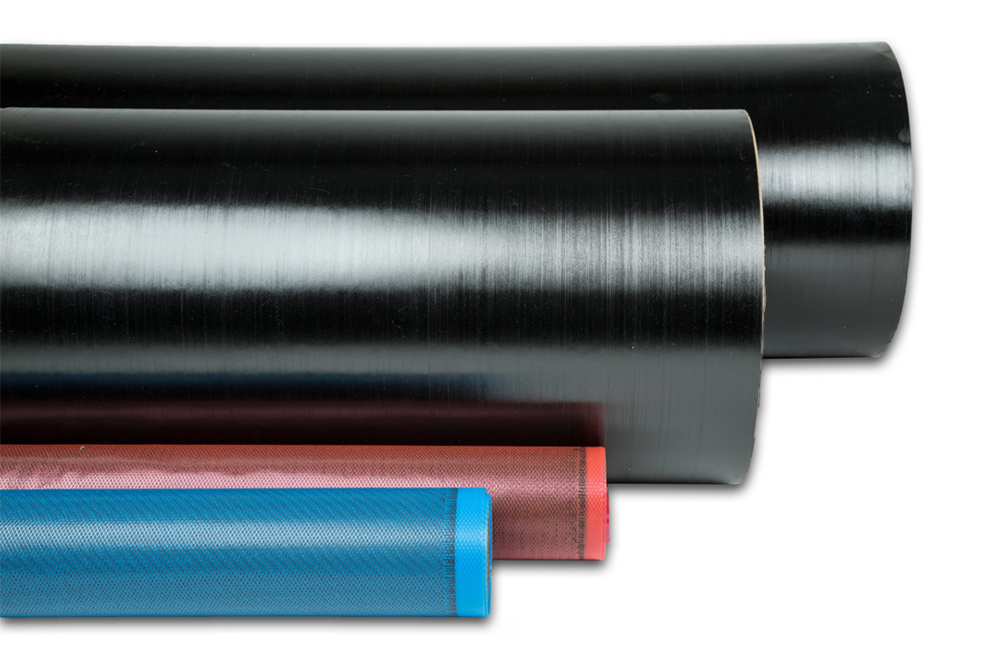 14. Honeycomb
 A unique, lightweight grid structure made of sheet metal or non-metallic materials (such as resin-impregnated paper or fabric) formed into hexagonal nested cells that resemble the cross-section of a honeycomb in appearance.
15. Modulus of elasticity A physical measurement of the stiffness of a material. A high modulus means a material that does not bend easily.
16. Filament winding A process used to make composite parts such as rocket shells and cylinders. Fiber filaments are impregnated in a resin matrix and then wound in a predetermined pattern around the desired part.
17. Sandwich panels A stiff, lightweight panel consisting of thin sheets of, for example, aluminum or cured prepreg laminated and bonded to a low-density rigid core material (such as foam or honeycomb).
18. Structures Finished components used in aircraft and industrial applications. For aircraft, they may be primary or secondary external structures. Applications in trucks include chassis fairings and floors.
19. Primary Structure A critical load-bearing structure on an aircraft. If this structure is severely damaged, the aircraft cannot fly.
20. EngineeredCores Sheets or blocks of honeycomb are generated, shaped, machined or bonded into profiled and complex shapes as semi-finished components in the manufacture of composite parts and structures.
21. Engineered Products Finished composite components, typically made from prepreg, honeycomb, adhesive and assembled components. These components are ready to be attached directly to a structure (e.g., an aircraft) or to subassemblies. Emerging manufacturing processes allow engineered products to be manufactured directly from reinforcing fibers/fabrics and matrix resins.
22. Fairing or Cowling The outer protective shell of a jet engine, traditionally made of metal. Fairings primarily provide basic protection and support structure for the engine.
23. Fairings Secondary structure of an aircraft that provides enhanced aerodynamic properties. Fairings are typically found where the wing joins the fuselage or at various locations on the leading and trailing edges of the wing.
24. Intakes Air intake passages or ducts that restrict and conduct air. They are usually located on the cowling at the intake end of an aircraft engine and help with propulsion and engine cooling.
25. Interior structures Finished components of an aircraft's interior, such as overhead storage bins, lavatories, side walls, floors, and ceilings.
26. Nacelles Protective shells for jet engines within the cowling, usually made of honeycomb material. Provides noise absorption, insulation, structural support, and can assist in heat dissipation.
27. Radomes The housing that protects an aircraft's radar system from the elements while allowing radar signals to be transmitted. Typically, the radome is located at the front of the aircraft's nose, but can be located elsewhere on the aircraft.


