Carbon fiber reinforced plastic (CFRP) has light weight, high strength, high stiffness, fatigue resistance and corrosion resistance, and is widely used in aerospace and sports equipment.
The automotive industry is at a crossroads: energy and environmental challenges
Since the beginning of the 21st century, the global energy crisis has become increasingly serious, forcing the automotive industry into a critical transformation period. The dual challenges of reducing fuel consumption and controlling emissions have become the core of the development of the automotive industry. Currently, more than half of the materials used in automobiles are cast iron and steel, and plastics, aluminum alloys and other materials also contribute greatly.
In response to environmental challenges, researchers advocate the use of lightweight materials such as alloys and composites to replace automotive parts to reduce the weight of vehicles. According to statistics, for every 10 kg reduction in vehicle weight, carbon emissions will be reduced by 1 gram/kilometer. In this context, carbon fiber composites have become an excellent alternative material, which has light weight, high strength, high stiffness, and fatigue and corrosion resistance.
Although carbon fiber reinforced plastics (CFRP) have a series of excellent properties and have been widely used in fields such as aerospace and sports equipment, the application of CFRP in the automotive field has been slow due to cost and manufacturing challenges. However, when CFRP replaces steel parts, its potential for significant weight reduction is as high as 60%, which also highlights the potential of this material to transform the automotive industry.
Integrating CFRP into automotive design not only promises to improve fuel efficiency and reduce emissions, but also brings a host of benefits such as improved crashworthiness, durability and part integration. In addition, the aesthetic properties of CFRP further add to its appeal, making it a highly attractive option for future automotive manufacturing.
Lightweighting Trend Development: Overcoming the Limitations of Steel and Aluminum
The automotive industry’s journey to energy conservation and emission reduction has been greatly hindered by the limitations of traditional materials such as steel and aluminum. Although these materials have been the foundation of automotive manufacturing for decades, they also face a series of challenges in the macro context of modern automotive design and environmental sustainability:
Environmental impact: The production of steel and aluminum is energy intensive, resulting in high CO2 emissions. The weight of these materials also leads to increased fuel consumption in vehicles, further exacerbating their impact on the environment.
Cost factors: Although steel and aluminum are relatively cheap compared to advanced composites, their use in automobiles may result in higher long-term costs due to increased fuel consumption and the environmental impact of production.
Performance limitations: The pursuit of lighter and more efficient vehicles often conflicts with the inherent properties of steel and aluminum. Although these materials are strong, they add weight to the vehicle, limiting its performance and fuel efficiency. Furthermore, their rigidity can compromise safety in crash scenarios where energy absorption is critical.
To address these challenges, the automotive industry is looking for alternative materials that can reduce vehicle weight without compromising strength or safety. Carbon fiber reinforced plastic (CFRP) has emerged as a leading contender due to its effective blend of lightweight and high-strength properties. CFRP not only significantly reduces vehicle weight, thereby improving fuel efficiency and reducing emissions, but also provides excellent crash resistance and durability.
Despite its clear advantages, CFRP faces certain barriers to its widespread adoption, primarily due to its higher cost and more complex manufacturing process compared to steel and aluminum. However, advances in related manufacturing technology and materials science are gradually overcoming these barriers, making CFRP an option for a wider range of automotive applications.
In short, while steel and aluminum have served the automotive industry well, their limitations in terms of environmental impact, cost, and performance are becoming increasingly apparent. The shift to materials such as CFRP represents a critical step forward in the automotive industry's pursuit of more efficient, sustainable, and high-performance vehicles. This shift not only addresses the immediate challenges posed by traditional materials, but also meets broader environmental goals and the evolving needs of consumers and regulators.
Innovative Developments in the Industry: Advantages of Carbon Fiber in Automobiles
Carbon fiber reinforced plastics have become a revolutionary material in the automotive industry, offering unparalleled advantages over traditional materials such as steel and aluminum. CFRP stands out for its superior specific stiffness, specific strength, and fatigue properties. These properties make it lighter and stronger than commonly used metals, revolutionizing the performance and efficiency of vehicles. Some key applications of CFRP in automobiles include:
Chassis: The chassis of the car - the chassis greatly benefits from the stiffness and lightness of CFRP, thereby improving the power and fuel efficiency of the car.
Bumper: The use of carbon fiber honeycomb structures in bumpers has been shown to provide high specific strength and improve impact performance and safety.
Engine bracket: The integration of CFRP in the design of the engine bracket helps to significantly reduce weight while maintaining structural integrity and performance.
Roof and tail panels: The application of CFRP in roof and tail panels not only reduces the weight of the car, but also allows for more complex and integrated designs, simplifying the assembly process.
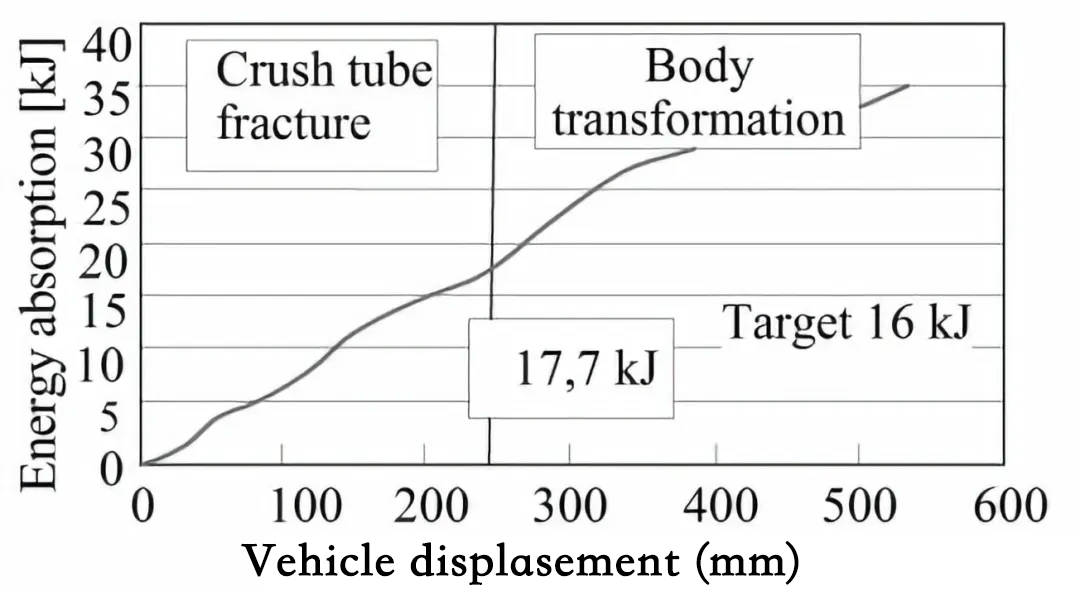
Crashworthiness: The energy absorption capacity of carbon fiber significantly improves vehicle safety, and its high specific energy absorption (SEA) makes it ideal for building safer, crash-resistant cars.
Mass production feasibility: Several breakthroughs in recent years have made mass production of CFRP components more feasible, with BMW's successful integration of carbon fiber into its vehicle architecture being one example. This progress highlights the potential for carbon fiber to be used more widely beyond high-end sports cars.
In summary, the advantages of carbon fiber in the automotive industry are obvious, and its superior mechanical properties combined with lightweight characteristics provide a path to more efficient, safe and high-performance vehicles. As carbon fiber gradually overcomes challenges related to cost and manufacturing processes, CFRP will play a key role in shaping the future of automotive design and production.
Future Drive: The Role of Carbon Fiber in the Next Generation of Vehicles
Carbon fiber reinforced plastics (CFRP) play a key role in shaping the future of the automotive industry, providing innovative lighting for improved fuel efficiency, improved performance and mass production capabilities. This transformative material combines unparalleled strength and lightness to lay the foundation for the next generation of vehicles.
Improved fuel efficiency and performance: Carbon fiber’s inherent lightweight properties significantly reduce vehicle weight, directly translating into improved fuel efficiency and performance. Studies have shown that replacing traditional materials with CFRP can significantly reduce weight, thereby improving fuel economy and reducing carbon emissions. Carbon fiber’s unique properties, including high stiffness and strength, contribute to better handling, acceleration and overall vehicle dynamics.
Mass production potential: BMW’s pioneering work in integrating carbon fiber into automotive design highlights the material’s mass production potential. With a decade of experience and significant investment in carbon fiber technology, BMW has demonstrated that CFRP parts can be mass-produced, changing the traditional perception that carbon fiber is only used in high-end sports cars or niche applications. This breakthrough paves the way for widespread use of carbon fiber in the automotive industry, heralding a future in which cars are not only lighter and more efficient, but also more accessible.
Case studies and applications: The automotive industry has seen the successful integration of carbon fiber in a variety of automotive components, from chassis and body panels to engine mounts and bumpers. These applications illustrate the versatility of CFRP and its potential to improve structural performance, safety and design aesthetics. For example, the use of CFRP in the body of the BMW i3 makes the car body much lighter than its steel and aluminum counterparts without sacrificing durability and safety.


