Learn about carbon fiber's shelf life, proper storage, and handling techniques to maintain its quality and ensure safe processing.
Most carbon fiber manufacturers include key specifications in their product certificates, such as tensile strength, tensile modulus, elongation at break (for resin-impregnated fibers), bulk density, linear density, and sizing agent content.
Carbon fiber has a limited shelf life, typically two years from the manufacturing date. This period is valid only if the material is stored under standard temperature and humidity conditions. If properly stored, carbon fiber retains its stable properties during this two-year window.
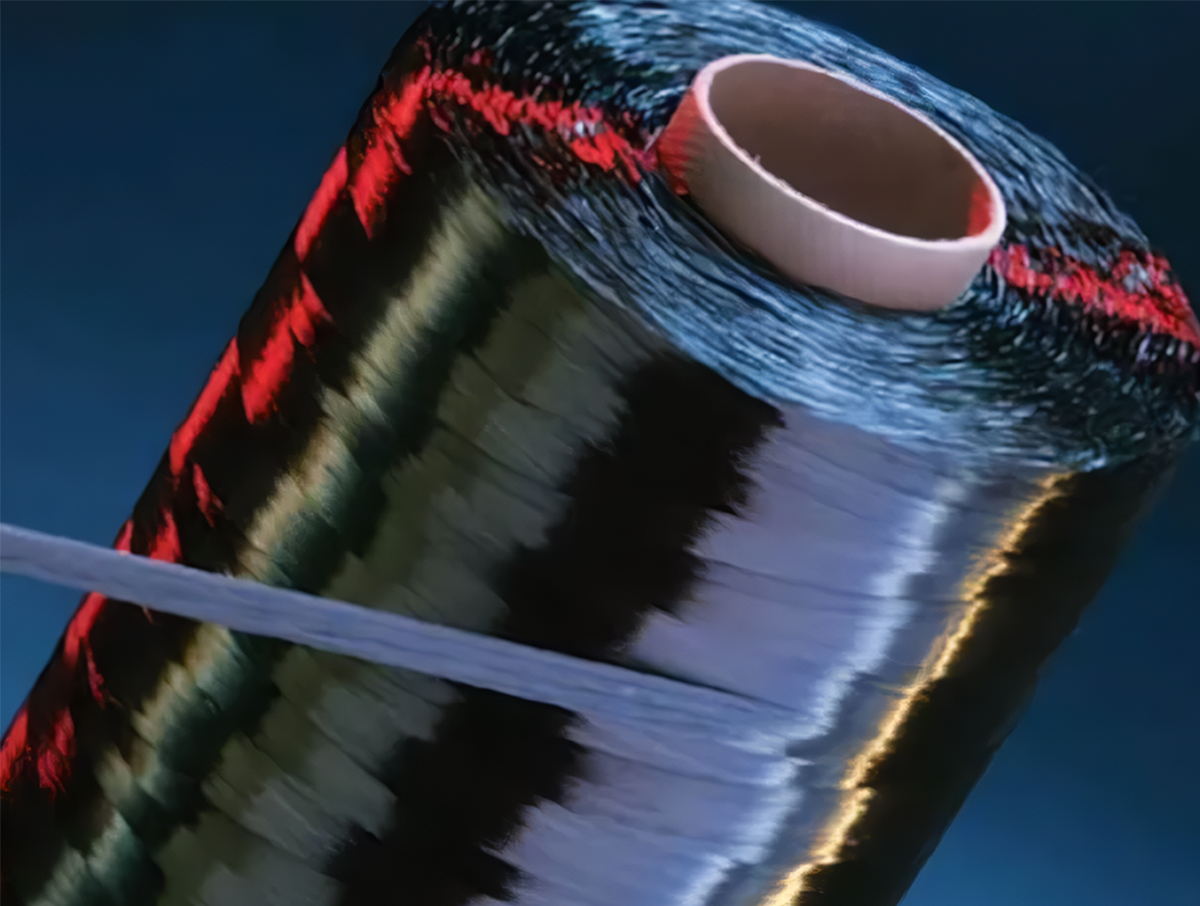
As carbon fiber is a brittle material, extra care must be taken during storage. For example, Toray’s Torayca® carbon fiber rolls are individually wrapped in plastic film to protect them during handling and processing. These rolls are further protected by cardboard boxes and internal packaging to prevent vibration and shock. The plastic wrapping also helps to keep dust, moisture, and other contaminants away from the fiber.
Why is the Shelf Life of Carbon Fiber Limited to Two Years?
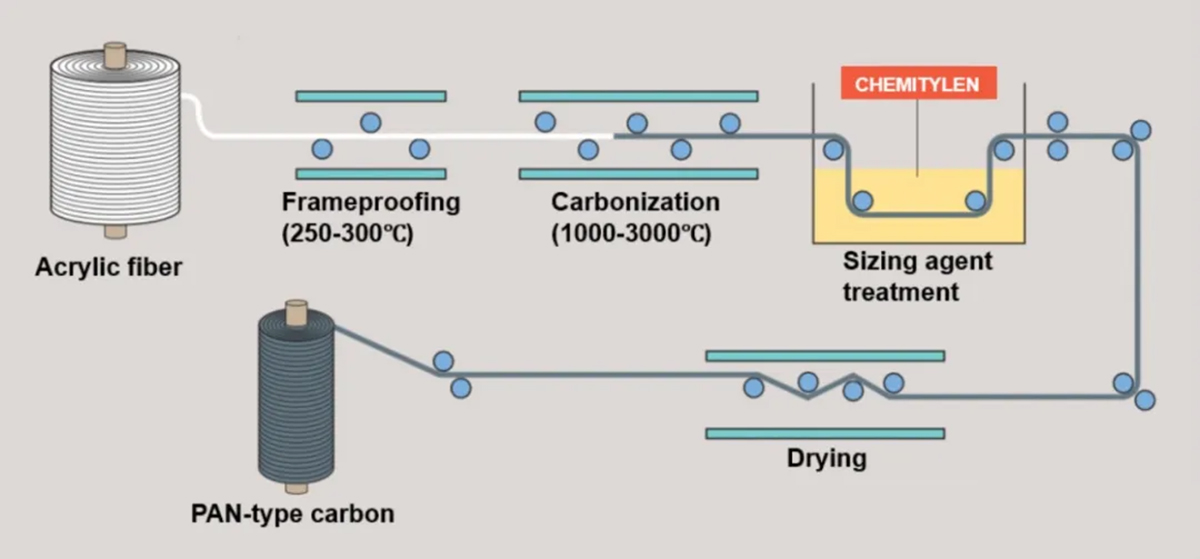
Carbon fiber itself has a stable chemical structure and doesn’t degrade over time. However, the sizing agent on the surface of the fiber is a polymer that is sensitive to temperature, humidity, and time. This is why manufacturers can’t extend the shelf life beyond two years. Within this period, the carbon fiber can be used with stable and reliable performance.
Carbon Fiber Handling and Processing
Carbon fiber is a high-tech material that requires careful handling. As mentioned, each roll of carbon fiber must be carefully unwrapped to avoid damage, and sharp tools should be avoided. Before use, it’s recommended that the carbon fiber undergo a pre-treatment. After removing the plastic film, each roll should be stored at temperatures between 20-35°C and 40-80% relative humidity for at least 48 hours. This pre-treatment step is critical to ensure that the fiber is properly unwound.
Proper environmental humidity helps to reduce friction on the roll, preventing the build-up of static electricity. Static electricity can cause fibers to break or single filaments to detach from the surface, compromising the quality of the final product.
The unwinding process of carbon fiber can be done axially or radially. However, most manufacturers recommend a radial unwind process, as this reduces friction between the fiber and the core. Tension control is also critical during the unwinding.
Due to its graphite sheet-layered microstructure, carbon fiber is highly sensitive to wear. Therefore, during processing, friction areas should be minimized to reduce fiber breakage or fuzzing. To minimize friction, it’s important to adjust the contact angles between the fiber and processing components (like rollers and guides) and to ensure these components have an appropriate surface roughness. Additionally, electrical voltage during processing should be carefully controlled to prevent fiber damage.
In some processes, the sizing agent on the carbon fiber needs to be removed by heat. It is essential to carefully control the temperature during this step because excessive heat can cause the sizing agent to degrade and release harmful volatiles, leading to processing issues.
Electrical Safety and Personal Protection
Carbon fiber has some electrical conductivity. When carbon fiber breaks, individual filaments (typically 5-7 microns in diameter) can disperse into the air. As a result, electrical equipment in the workplace must be properly insulated to prevent short circuits or other electrical hazards.
Additionally, dispersed carbon fibers can cause skin irritation, so it’s crucial to take appropriate personal protective measures during handling. If the sizing agent undergoes thermal degradation, it may release harmful decomposition products, so proper ventilation is necessary in the workspace.


