Manufacturing process of pre-oxidized fiber
Pre-oxidized fiber is made from polyacrylonitrile (PAN)-based fiber through an oxidation process at high temperature. By heating, the fiber undergoes chemical changes to form a pre-oxidized structure with extremely high stability, becoming a precursor of carbon fiber.
Heating temperature: Usually in the temperature range of 200-300°C, oxidation is carried out under non-combustion conditions.
Oxidation process: During the heating process, hydrogen in the molecular chain is replaced by oxygen to form a ring structure, which makes the fiber have high thermal stability and flame retardancy.
Performance characteristics of pre-oxidized fiber
Flame retardancy: The main feature of pre-oxidized fiber is its natural flame retardancy. Unlike other materials, pre-oxidized fiber will not burn in a high temperature environment, nor will it produce molten droplets or toxic gases.
Thermal stability: It can still maintain a stable shape at a high temperature above 300°C, which is suitable for applications exposed to high temperature environments for a long time.
Electrical insulation: Pre-oxidized fiber has good electrical insulation properties and is suitable for scenarios requiring electrical protection.
Strength and toughness: Although the strength of pre-oxidized yarn is not as good as carbon fiber, it has good toughness and is not easy to break, so it is suitable for processing into soft textiles.
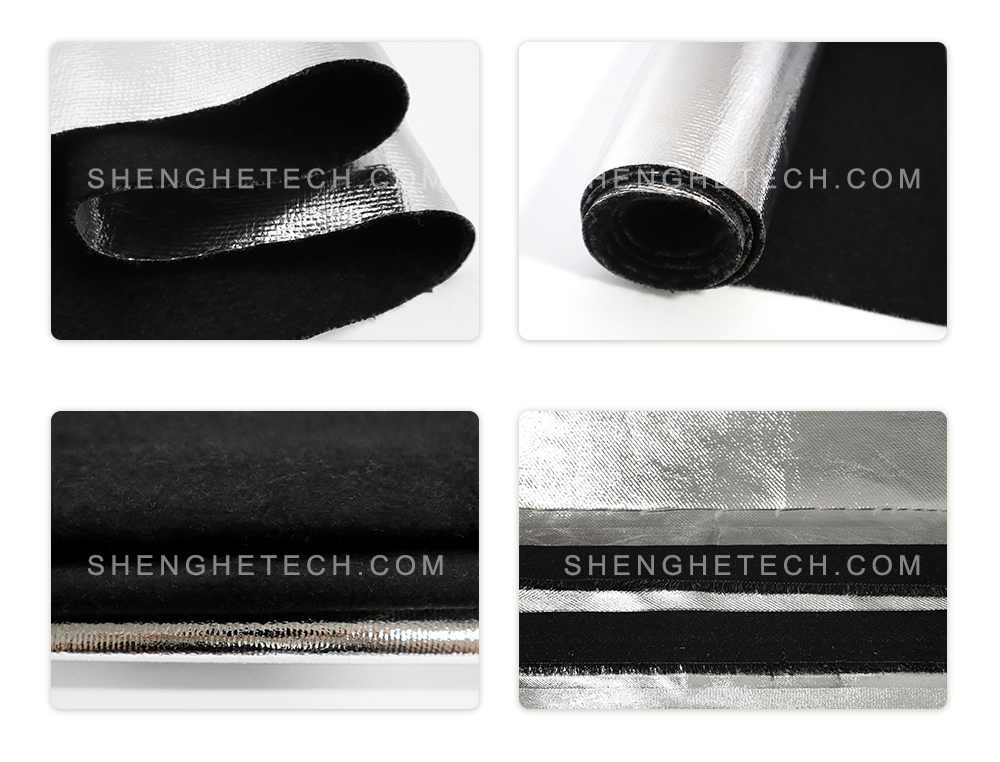
Knitting napping process
1. Knitting process
The knitting process is to use yarn to weave a soft and elastic fabric structure through machine weaving. Compared with traditional woven fabrics, knitted fabrics have better elasticity and softness, which can improve wearing comfort.
Plain knitting: The most common knitting method, with high softness and breathability. Multi-directional stretch: Knitted fabrics can stretch in multiple directions, suitable for scenes that require flexibility.
2. Napping process
The napping process refers to the mechanical napping treatment on the surface of the fabric to form fine fluff on its surface, increasing thickness and warmth.
Enhanced warmth retention: The surface of the fabric after napping is fluffy, and the air layer formed can effectively block the external cold air and improve the warmth retention effect.
Softness and comfort: The napping makes the fabric feel softer and more comfortable, suitable for close-fitting wear or the inner layer of protective clothing.
Aluminum coating treatment
1. Aluminum coating is a treatment process that coats a layer of metal aluminum film on the surface of textile fabrics by chemical or physical means. This process can be achieved through vacuum aluminum plating, hot melt aluminum coating and other technologies.
Vacuum aluminum plating: Aluminum is heated to an evaporating state, and then aluminum vapor is deposited on the surface of the fabric in a vacuum environment to form a uniform aluminum layer. Hot melt aluminum coating: Aluminum powder or aluminum foil is combined with the surface of the textile at high temperature to form a protective film.
2. Performance of aluminum coating layer
Heat reflection performance: Aluminum has extremely high reflectivity and can effectively reflect infrared radiation and thermal radiation. Therefore, aluminum-coated fabrics can isolate external heat sources and maintain internal temperature.
Radiation protection: The metal layer of aluminum can also block a certain degree of electromagnetic radiation, which makes it very suitable for use in high electromagnetic radiation environments, such as electronic equipment protection.
Waterproof and moisture-proof: The aluminum layer can also prevent moisture penetration and provide a certain degree of moisture resistance.
Corrosion resistance: Aluminum-coated fabrics are resistant to a variety of chemicals, especially corrosive substances such as acids and alkalis.
Comprehensive performance advantages
- Flame retardancy: Due to the characteristics of pre-oxidized yarn, the fabric will not burn when exposed to fire, and the aluminum coating also helps to further enhance the thermal protection ability of the material.
- Thermal insulation: The knitted napping process increases the thickness and fluffiness of the fabric, combined with the heat reflection characteristics of the aluminum coating, it can effectively keep warm.
- Radiation protection: The reflective effect of the aluminum film can shield high temperature and electromagnetic radiation, making it suitable for use as radiation protection clothing or electromagnetic shielding materials.
- Weather resistance and mechanical strength: The fabric has high mechanical strength and is suitable for long-term use outdoors or in harsh environments. It has good weather resistance, waterproofness and corrosion resistance.
Aluminum fabric application areas
1.High temperature operation protection
Firefighting suits: Firefighters often work in extremely high temperature and flame environments. Pre-oxidized yarn knitted napped aluminum-coated fabrics can provide them with excellent thermal insulation and fire protection, reducing the risk of burns.
Metallurgy and casting operations: Metallurgical workers and casting workers work in high-temperature environments. Protective clothing made of this fabric can effectively resist the splashing of high-temperature molten metal.
2.Aerospace Thermal insulation material: used in the thermal protection system of aircraft or spacecraft to help isolate the engine and the high temperature during atmospheric re-entry, and protect the safety of equipment and occupants.
3.Military field Protective device: In the military field, it is often used to make fireproof and explosion-proof clothing, tents, shelters, etc. to protect soldiers and equipment from the threat of fire or thermal weapons.
4.Outdoor equipmentOutdoor tents and sleeping bags: The thermal insulation, waterproof and weather resistance of the fabric make it an ideal material for extreme environments such as polar expeditions and mountaineering.
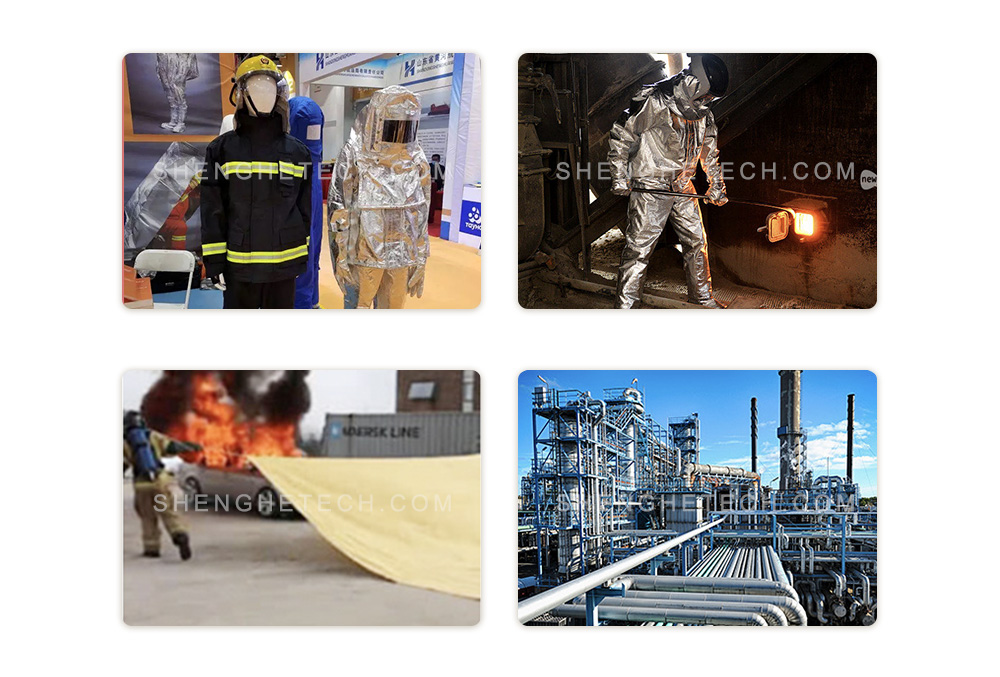
Pre-oxidized yarn knitted napped aluminum-coated fabric combines high-performance flame retardancy, thermal insulation and softness, especially in high-temperature protection and radiation protection. Its composite process combines the high-temperature resistance of pre-oxidized yarn, the flexibility of knitted fabric, the warmth of napping process and the reflective protection effect of aluminum coating, making this fabric have a wide range of application prospects in a variety of high-risk and high-demand environments.


