Professional kevlar cutting scissors and aramid scissors designed for precision cutting and reliable use in protective equipment.
Kevlar Cutting Scissors, Aramid Scissors, Protective Equipment
In the harsh, safety-critical environment of offshore operations, aramid scissors (also known as kevlar cutting scissors) play an essential and irreplaceable role. Offshore environments (including oil platforms, wind farms, ships, and ports) make extensive use of aramid-based materials, mainly in the following areas:
Mooring and Towing Ropes
Modern large vessels, offshore platforms, and wind turbines widely use aramid cable and aramid fiber cable. Compared with traditional steel cables, cable aramid ropes are lighter (about one-fifth the weight of steel), stronger, corrosion-resistant, and more flexible, which greatly reduces operational difficulty and platform load.
Protective Equipment
Crew members and engineers rely on aramid-based personal protective equipment such as cut-resistant gloves, welding protective equipment, protective clothing, and even bulletproof vests (in certain security zones).
Composite Components
High-speed boats, lifeboats, and equipment casings are often manufactured with aramid composite or aramid fiber composites to achieve lightweight strength. When dealing with these high-strength, cut-resistant materials, specialized tools like fiber optic kevlar scissors, kevlar scissors fiber, and scissors for cutting kevlar fabric are indispensable.
Emergency Cutting
In emergencies such as storms or mechanical failures, aramid ropes may become jammed or entangled and need to be cut immediately to prevent equipment damage or severe accidents.
Maintenance and Replacement
Routine operations often require trimming rope lengths or removing damaged sections with function aramid yarn scissors or aramid yarn scissors.
Rescue Operations
If personnel are entangled by high-strength ropes, quick cutting with kevlar scissors can be life-saving.
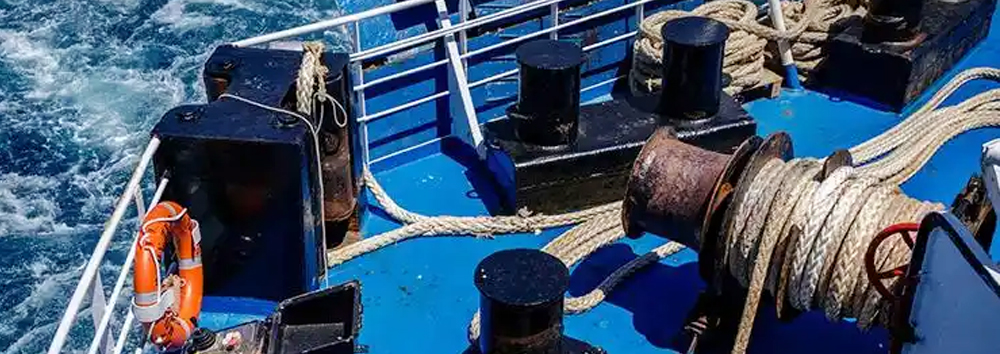
Kevlar Scissors and Aramid Yarn Scissors in Offshore Scenarios
Emergency Cutting of Mooring or Towing Ropes
In rough seas, mooring lines under extreme tension can snap back violently if they break—a deadly hazard known as the “snap-back” effect. Traditional cutting methods such as angle grinders generate sparks, which are extremely dangerous on oil and gas platforms where flammable gases may be present. Kevlar scissors and aramid scissors provide a spark-free, fast, and efficient cold-cutting solution, allowing safe cutting both above and below water (by divers).
Offshore Wind Farm Maintenance
Wind turbine blades and mooring systems often incorporate para aramid composite, aramid carbon fiber composite, and aramid epoxy composite structures. During blade repair or mooring adjustments, workers use fiber optic kevlar scissors to precisely trim reinforcement materials or ropes.
Onboard Deck Operations
Modern synthetic ropes such as aramid cable or UHMWPE quickly wear down ordinary blades. Kevlar scissors fiber and scissors for cutting kevlar fabric easily handle rope trimming and damaged rope removal, greatly improving deck safety and efficiency.
Search and Rescue
In man-overboard situations or rope entanglement, every second counts. Rescue teams can use lightweight yet powerful kevlar cutting scissors to quickly cut ropes, nets, or even light protective gear, gaining valuable time for saving lives.
Diving Operations
Divers or remotely operated vehicles (ROVs) may encounter entangled fishing nets or ropes caught in propellers or subsea structures. Specially designed corrosion-resistant aramid scissors are crucial tools for clearing these hazards and ensuring equipment and personnel safety.
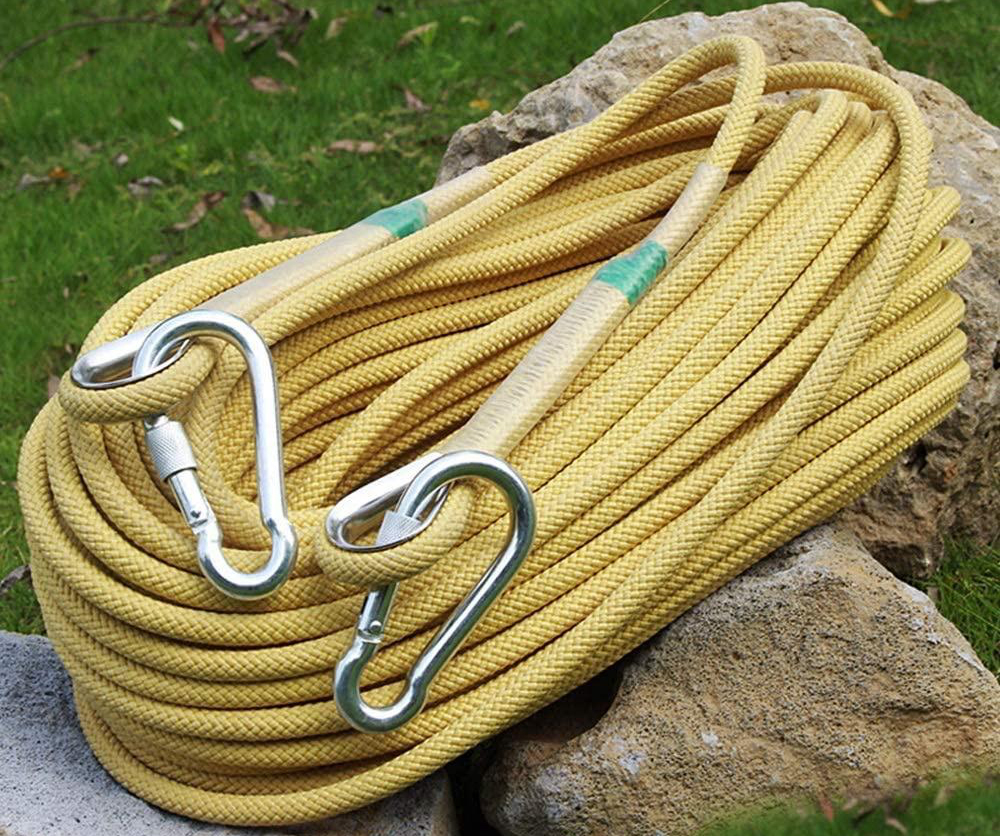
Advantages of Kevlar Cutting Scissors in Offshore Operations
Material-Specific Design
Blades made of tungsten carbide or other ultra-hard alloys are specially heat-treated and designed to cut through aramid fiber chemical composition, para aramid composites, and other extremely tough fibers. Ordinary tools slip or dull quickly.
Spark-Free Safety
Purely mechanical cutting eliminates the risk of sparks that could be ignited by powered or hydraulic tools in flammable environments.
Effort-Saving Efficiency
Lever or hydraulic-assisted designs allow even smaller operators to cut extremely thick aramid cable (sometimes over 100 mm in diameter) with relative ease—much faster than sawing.
Clean Cuts
The cut ends remain neat and intact, preventing unraveling and making further handling easier.
Portability and Durability
Compared with large hydraulic cutters, handheld or portable kevlar scissors are easier to bring on-site, robustly built, and capable of withstanding the corrosive offshore environment.
Aramid Composites and Protective Equipment in Offshore Engineering
Aramid scissors are indispensable professional safety tools for dealing with high-performance synthetic ropes in offshore operations. They transform high-risk emergency tasks into safer, more controlled, and faster processes, greatly protecting lives, expensive equipment, and the integrity of entire platforms. As the use of aramid composite, aramid fiber composites, and para aramid composites expands in marine engineering, the importance of kevlar cutting scissors and aramid scissors is becoming increasingly prominent—establishing them as standard essential equipment for modern offshore personnel.


