
Aramid Fiber: Superior Performance, Broad Applications, and Growing Market Potential
Exceptional Properties and Wide-Ranging Applications
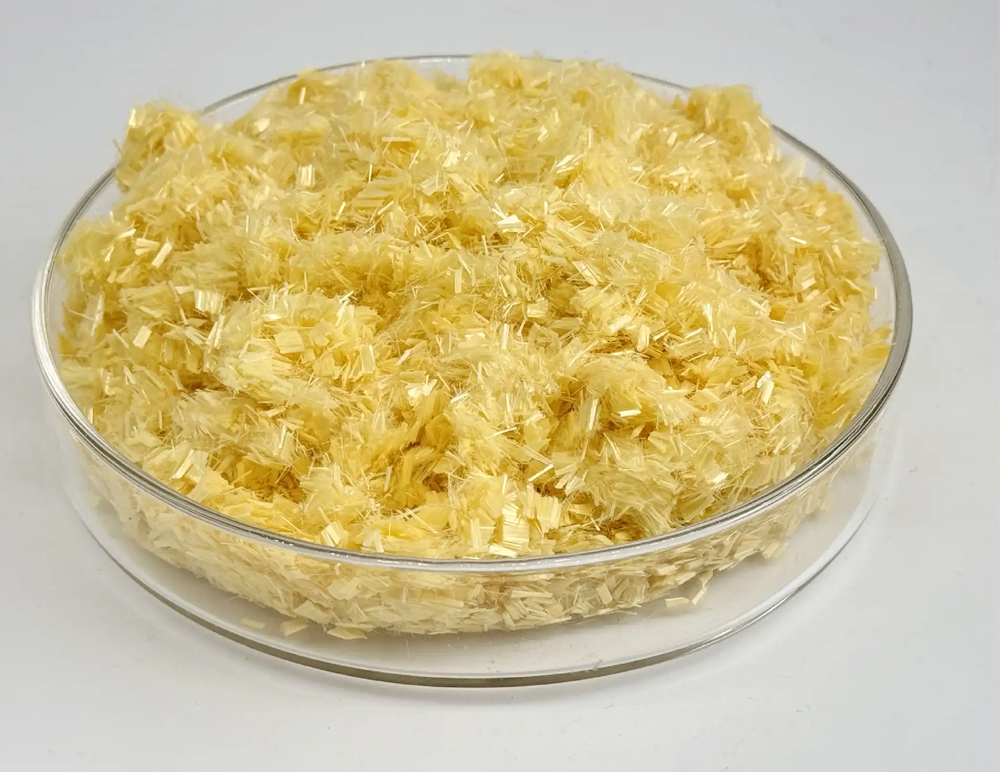
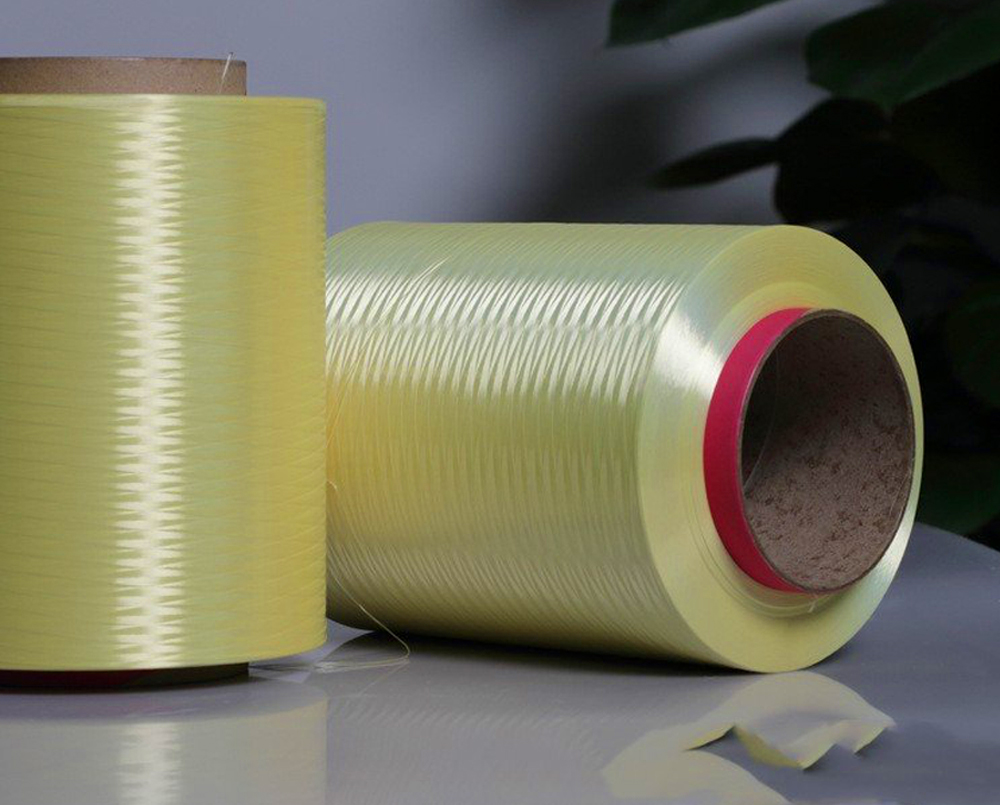
Aramid fibers, including para aramid fiber, meta aramid fiber, and specialty types such as Kevlar aramid fiber and Nomex aramid fiber, are renowned for their low density, high modulus, high strength, cut resistance, corrosion resistance, heat resistance, insulation, and flame retardancy. These outstanding aramid fiber material properties make them widely used in aerospace, defense, transportation, electronics and communications, and tire reinforcement.
In emerging sectors, demand for aramid fibers is also expanding:
- Lithium batteries: Aramid coatings are expected to replace PVDF, with demand projected to increase by 6,790 tons by 2025.
- Personal protective equipment: Stricter safety regulations in China are expected to drive aramid demand in the protective sector by more than 10,000 tons.
- 5G communications and optical cables: The rapid development of 5G will boost optical cable production, while applications such as aramid paper will continue to create additional demand.
This growing adoption highlights the advantages of aramid fiber vs Kevlar in different applications, where product selection depends on performance, price, and end-use requirements.
Manufacturing Process, Cost Structure, and Technology Progress
The choice of process technology and cost reduction remain key factors for the aramid industry.
Based on environmental assessment data of representative domestic projects, diamines and acid chlorides account for the largest portion of raw material costs. On the engineering side, electricity, steam, and nitrogen are the main energy consumptions. Assuming an aramid fiber price of RMB 200,000/ton with a gross margin of 40%:
- Raw materials account for about 60% of costs.
- Energy consumption accounts for about 17%.
- Depreciation accounts for about 14%.
Future cost reduction pathways include:
- Raw material supply chain integration: Since diamines and acid chlorides are petroleum-based products and their industries are highly concentrated, aramid producers may pursue acquisitions and integration of smaller upstream companies to stabilize supply and mitigate raw material price fluctuations.
- Localization of technology and equipment: Aramid production requires advanced technology and specialized equipment, creating high barriers to entry. Most Chinese companies have adopted relatively cost-efficient process routes, and leading players can now achieve equipment localization. With continued technological progress, domestic aramid investment costs are expected to decline further.
Competitive Landscape and Industry Dynamics
The global aramid market is still dominated by DuPont (U.S.) and Teijin (Japan). However, China now ranks second in meta-aramid fiber capacity and third in para-aramid fiber capacity worldwide. Although many Chinese companies have entered the market, utilization rates remain relatively low due to technical and quality constraints. That said, domestic aramid producers are increasingly well-positioned to gain market share:
- China leading global capacity expansion:
- By 2025, global meta aramid fiber capacity is projected to reach 69,000 tons/year, with China accounting for 38,000 tons/year (55% of global capacity).
- Global para aramid fiber capacity is expected to exceed 125,000 tons/year, with China contributing 36,000 tons/year (29% of global capacity).
- Energy cost advantage: Aramid production is highly energy-intensive. While overseas producers face rising energy costs due to inflation and geopolitical tensions, China continues to strengthen energy self-sufficiency, stabilize prices, and expand renewable energy adoption—creating a clear cost advantage.
- Policy support: Since the early 2000s, China has listed para aramid fiber as a strategic new material in multiple government development plans. With rising global trade uncertainties, domestic substitution has become increasingly important. This ensures that aramid production will continue receiving strong policy support.
Investment Outlook
Aramid fibers have broad application prospects and are set to achieve deeper penetration in emerging fields. Supported by technological independence, equipment localization, energy cost advantages, and favorable policies, Chinese aramid enterprises are expected to lead global capacity growth and enter a new stage of rapid development.
Key Points for Investors to Watch
- Raw material cost structure – Diamines and acid chlorides dominate costs, and leading upstream players are best positioned to benefit from expansion.
- High technological and financial barriers – Continuous product upgrades, brand reputation, and aramid fiber case studies in successful industries will require time, but companies that overcome these challenges will establish strong competitive advantages.


