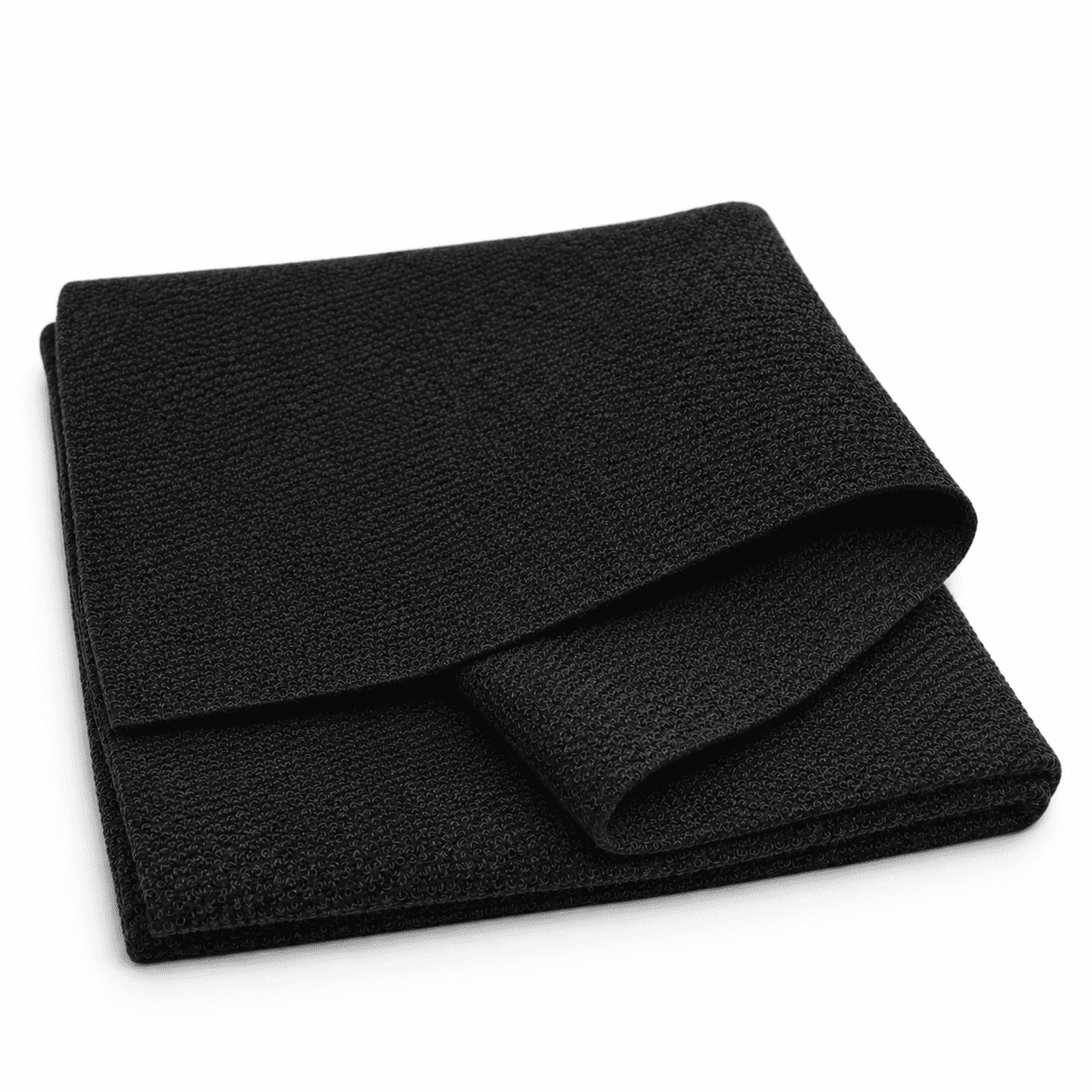
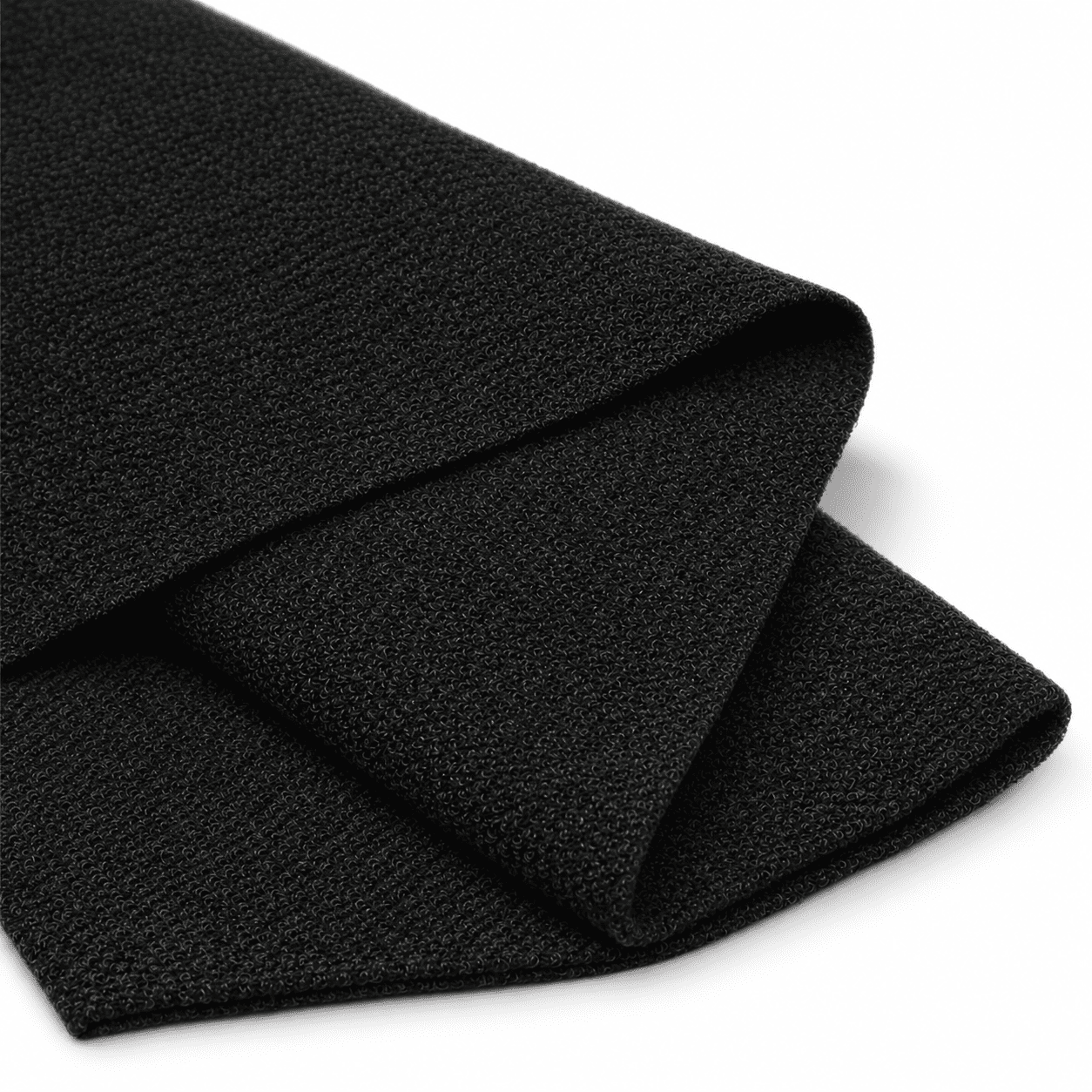
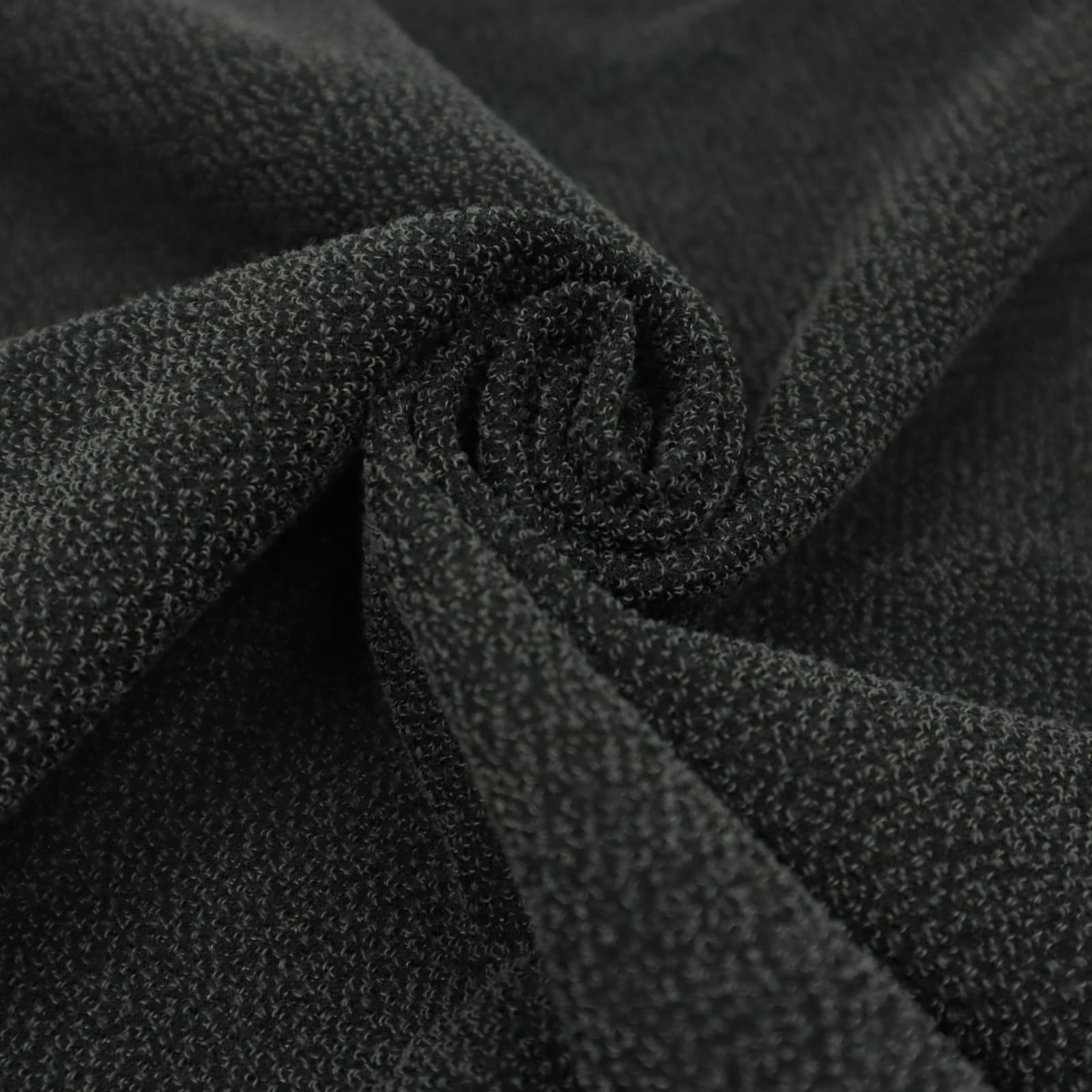
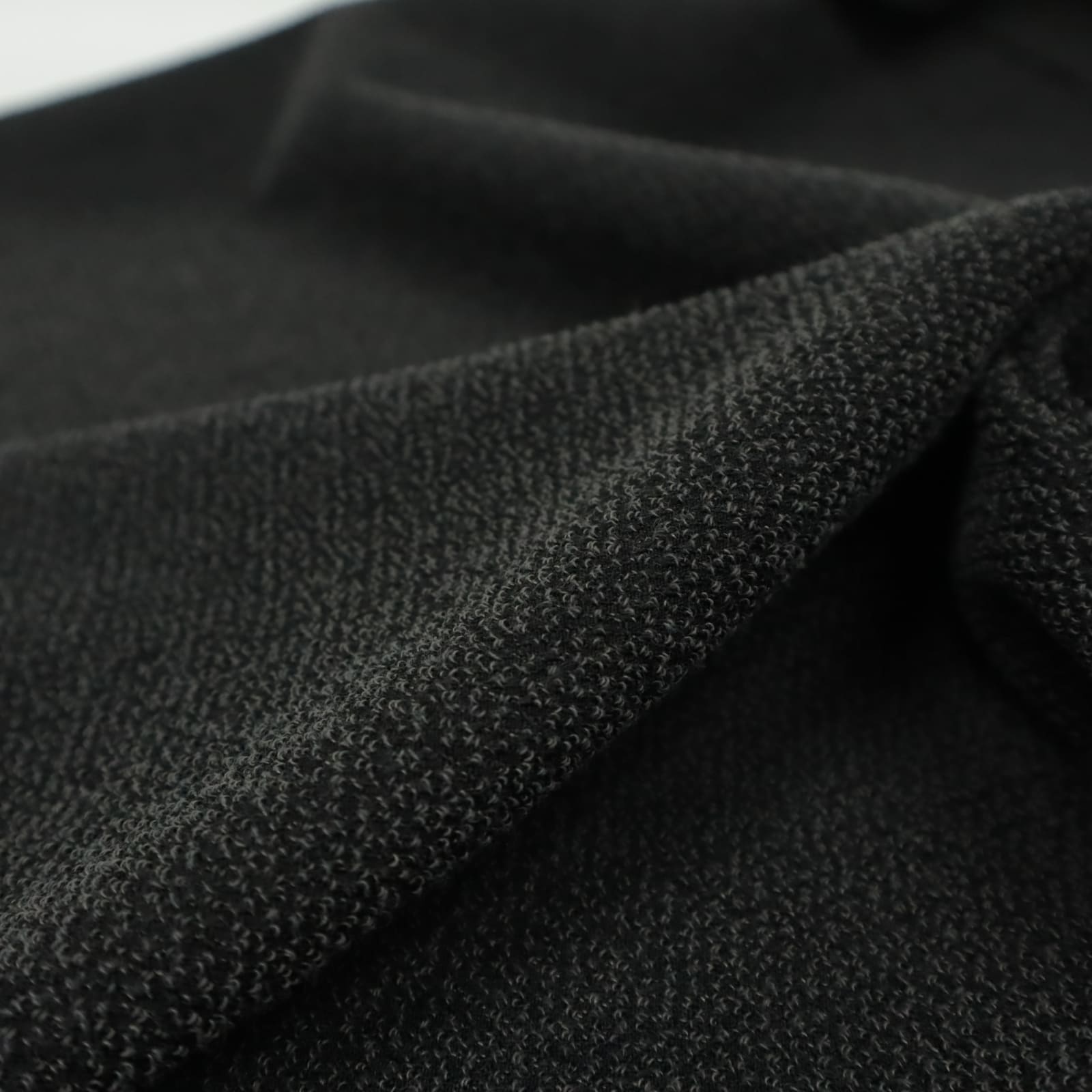
| Grade | Fabric Weight (g/m²) |
Approx. Thickness (mm) |
Available Width (cm) |
Recommended Applications |
|---|---|---|---|---|
| SH-100 | 100 | 0.13–0.20 | 100–150 | Lightweight Reinforcement |
| SH-160 | 160 | 0.20–0.30 | 100–150 | Workwear Elbow Panels |
| SH-200 | 200 | 0.25–0.35 | 100–150 | Workwear Reinforcement |
| SH-240 | 240 | 0.30–0.45 | 100–150 | Knee & Elbow Reinforcement |
| SH-280 | 280 | 0.35–0.50 | 100–150 | Work Trousers & Jackets |
| SH-320 | 320 | 0.40–0.60 | 100–150 | Heavy-Duty Workwear |
| SH-380 | 380 | 0.50–0.70 | 100–150 | Knee & Elbow Protection |
| SH-420 | 420 | 0.55–0.75 | 100–150 | High-Wear Reinforcement |
| SH-500 | 500 | 0.70–0.95 | 100–150 | Protective Gear |
| SH-640 | 640 | 0.85–1.10 | 100–150 | Heavy-Duty Protection |
| Material Option | When to Consider It | Points to Compare |
|---|---|---|
| Kevlar Nylon Fabric | When an aramid-based textile is specified for a localized wear panel | Fiber type, fabric weight, abrasion data and garment construction |
| Nylon or Polyester Fabric | When the garment specification allows these materials for the wear zone | Abrasion and tear test results, finish and laundering requirements |
| Leather Reinforcement | When the garment program is evaluating a traditional overlay | Flexibility, weight, care, sewing and compatibility with the garment |
| Flame-Resistant Garment Fabric | When the garment has defined heat or flame requirements | Applicable test evidence for the material and the complete garment system |