Heat-resistant polymers refer to polymer materials with good high-temperature stability and are widely used in aerospace, energy, electronics, building materials and other fields.
Heat resistant polymer refers to polymer materials with good high temperature stability, which are widely used in aerospace, energy, electronics, building materials and other fields. In modern industry and science and technology, polymer materials are an indispensable material. With the development of science and technology, people's requirements for polymer materials are getting higher and higher, and high temperature stability is one of the important properties that polymer materials must have. Heat resistant polymer materials have good performance in high temperature environments, such as high temperature strength, high heat resistance, high oxidation stability, low creep and good processing performance. Therefore, heat resistant polymer materials are the mainstream materials to meet the needs of future high temperature applications.
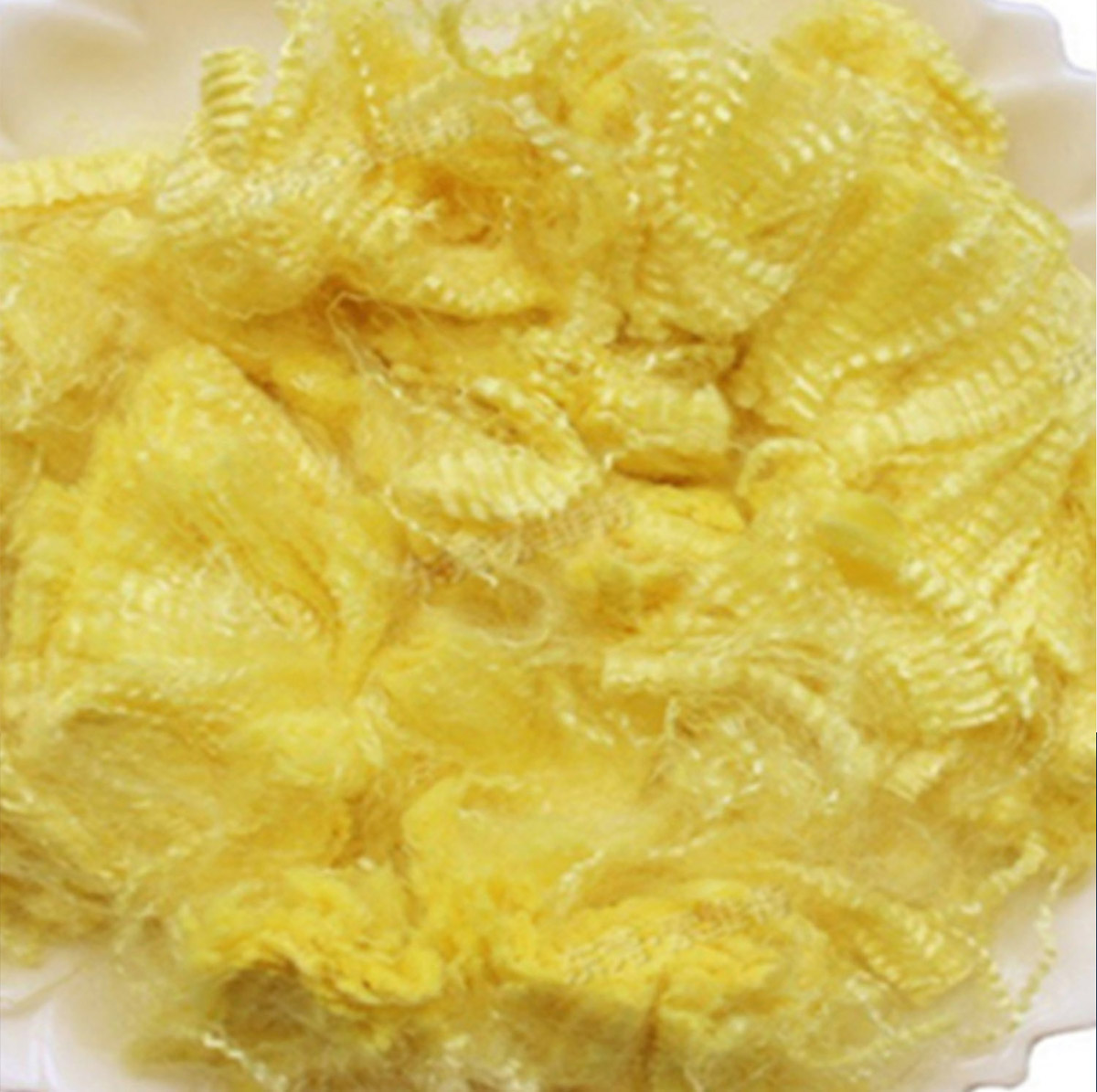
Aramid fiber
Aramid 1313 is a fiber with special functions, which was first developed by DuPont in the United States. This fiber looks similar to ordinary chemical fiber, but it has many unique characteristics. The most prominent feature is its excellent high temperature resistance, which can be used for a long time at a high temperature of 220℃ without aging. At a temperature of about 250℃, its dimensional stability is very good, and the thermal shrinkage rate is only 1%. The limiting oxygen index of aramid 1313 is greater than 28%. It is a flame-retardant fiber, does not support combustion, and has good self-extinguishing performance. It starts to decompose above 370°C and starts to carbonize at around 400°C. Therefore, aramid 1313 is widely used in protective clothing, fire trucks, aviation and automotive industries to meet the needs of high performance, high durability and high temperature stability.
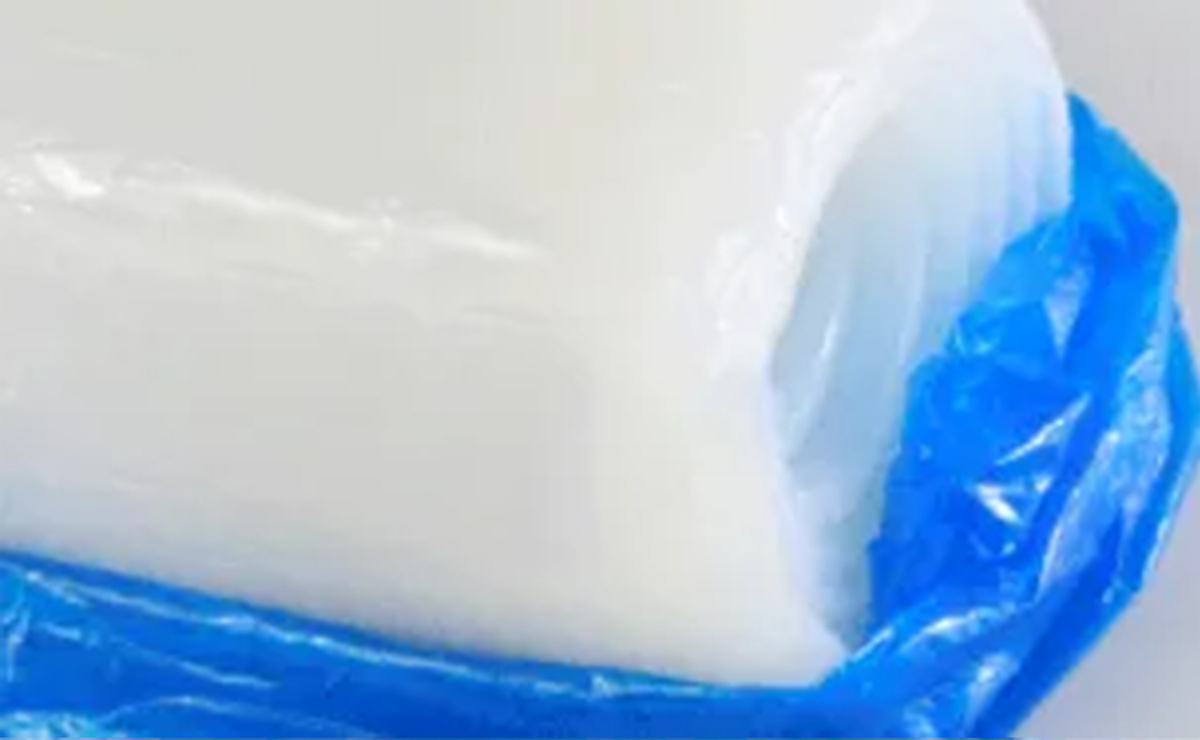
Phenyl silicone rubber
Compared with the existing methyl vinyl silicone rubber, phenyl silicone rubber has better temperature resistance. Its temperature resistance range can be extended to -70℃-350℃, and its short-term working temperature can reach -110℃-400℃. It also has the characteristics of ablation resistance and radiation resistance. Therefore, it is widely used in power, electronic appliances, automobiles, industrial deep refrigeration, aerospace, engines and other fields. Phenyl content of 5%-15% is called low phenyl silicone rubber, phenyl content of 15%-25% is called medium phenyl silicone rubber, and phenyl content of more than 30% is called high phenyl silicone rubber. With the increase of phenyl content, the molecular rigidity increases, and the radiation resistance and flame retardancy also increase accordingly. However, medium and high phenyl silicone rubbers are difficult to process and have poor physical and mechanical properties, so their production and application are subject to certain restrictions.
Borosilicate rubber
Borosilicate rubber is a special synthetic rubber with carbon decaborane segments in its siloxane main chain. It can be used for short periods of time at high temperatures up to 410°C, and its long-term use range is generally between -40°C and 350°C, and has other properties similar to silicone rubber. Borosilicate rubber can be processed and vulcanized like general silicone rubber, and is often used to manufacture products such as sealing parts and insulating materials that need to be used at high temperatures.
Polyimide
Polyimide is a polymer material with an imide structure in the main chain, and its molecular structure includes main structural units such as aromatic rings and heterocyclic rings. Polyimide has the highest flame retardant rating (UL-94), good electrical insulation properties, mechanical properties, chemical stability, aging resistance, radiation resistance and low dielectric loss. At the same time, these properties do not change significantly over a wide temperature range (-269°C-400°C). Therefore, polyimide is widely used in microelectronics, aerospace, automobile, medical, chemical and other fields.
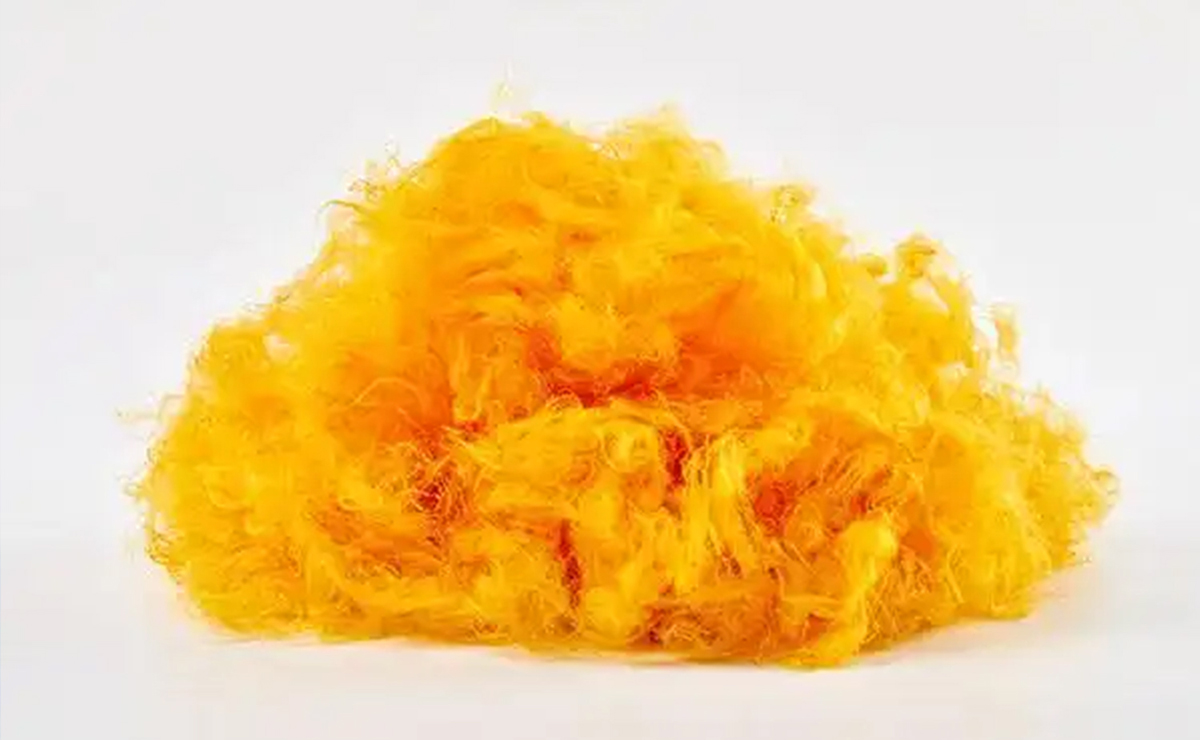
Polysilazane
Polysilazane polymer is a kind of inorganic polymer material with repeated Si-N in the main chain of the molecule. Due to the particularity of its chemical structure, it can be converted into silica ceramics under high temperature conditions. Therefore, polysilazane has important application value in high temperature resistance. The silicon-nitrogen bond angle of polysilazane resin is small, and the molecular bond tension is up, so the molecular chain is not easy to form a ring, and it is not easy to have side reactions such as backbiting and rearrangement during the molecular polymerization reaction. It has good thermal stability. By changing the silicon atom or nitrogen atom substituent, a polysilazane resin with specific properties can be designed, with excellent high temperature resistance (1800°C), high film hardness, ultra-thin varnish, low viscosity, excellent adhesion to most types of substrates.
Heat-resistant polymer materials have good performance in high temperature environments, including high temperature strength, high heat resistance, high oxidation stability, low creep and good processing performance. These heat-resistant polymer materials have great application prospects, and with continuous innovation and development, they provide solutions for future high-temperature application needs.


