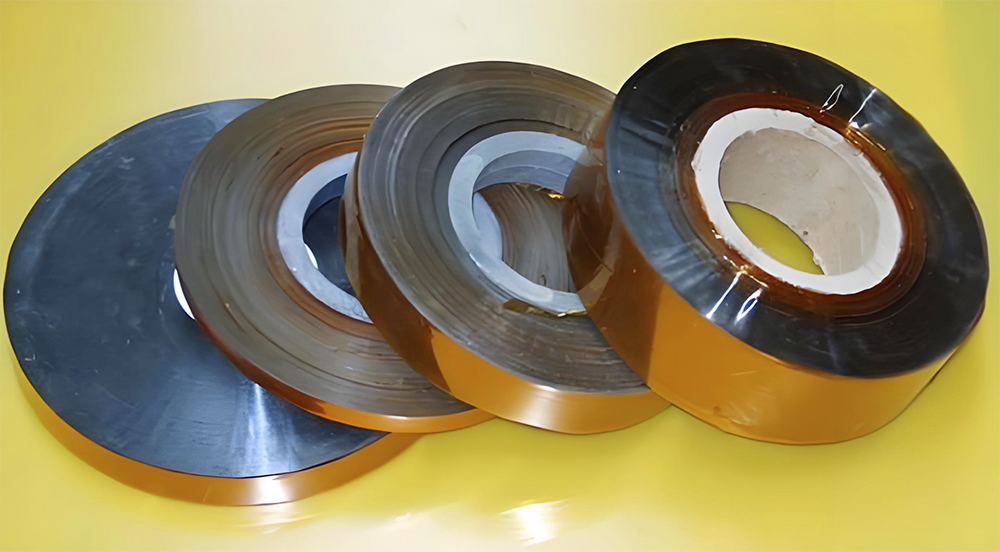
Polyimide (PI) is an aromatic heterocyclic polymer with repeated phthalimide groups in the main chain of the molecule and is one of the most heat-resistant engineering plastics currently available.
Properties of polyimide
Polyimide (PI) is an aromatic heterocyclic polymer with repeated phthalimide groups in the main chain of the molecule. It is one of the best heat-resistant varieties of engineering plastics at present. The main varieties of polyimide are benzene-type polyimide, ether anhydride-type polyimide, polyamide-imide and maleic anhydride-type polyimide.
Polyimide resin has high heat resistance and can withstand temperatures of 490°C for a short time and 290°C for a long time, so it is suitable for use in the aerospace industry. Polyimide resin also has good wear resistance and friction, good electrical properties, chemical inertness, radiation resistance, low temperature stability and flame retardancy.
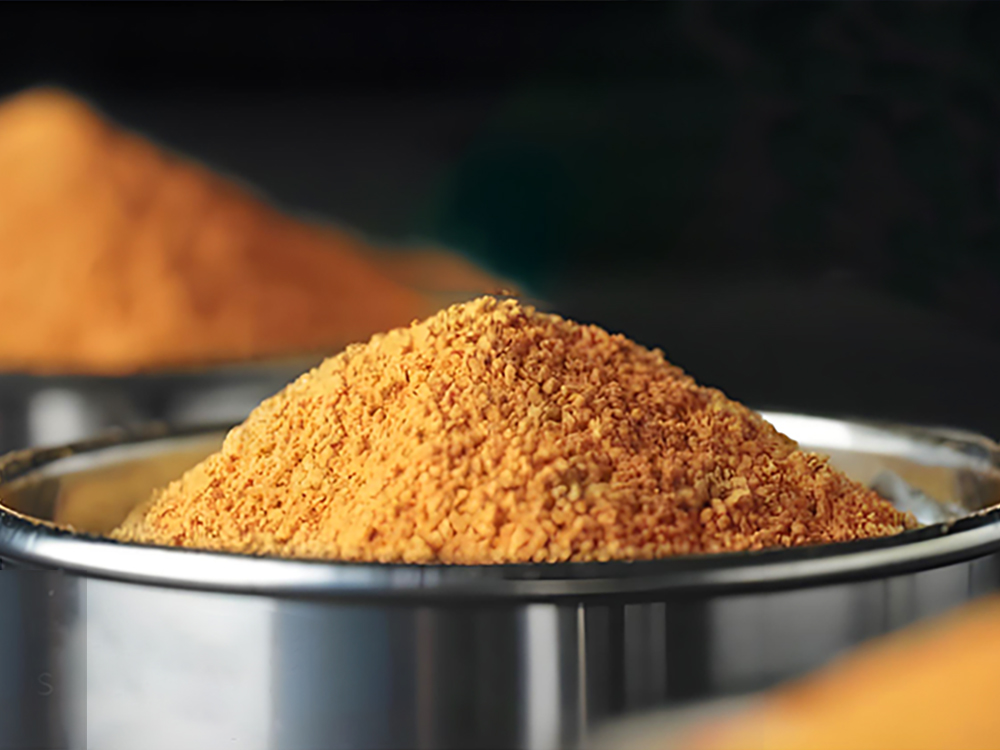
Benzene-type polyimide is a representative of polycondensation polyimide. Due to its insolubility and infusibility, it is difficult to process. Usually, it can only be pressed into plastic products from molding powder by powder metallurgy, or made into thin films by dipping or casting. In addition, after glass cloth is impregnated in polyamic acid solution, it can be made into a sheet by hot pressing.
Monoether anhydride type polyimide is a kind of fusible polyimide. Compared with the benzene type, its molding and processing performance is greatly improved. It can not only be molded, but also molded by injection, extrusion and other methods. In addition, it can also be made into a film by impregnation and casting.
Modification and application of polyimide
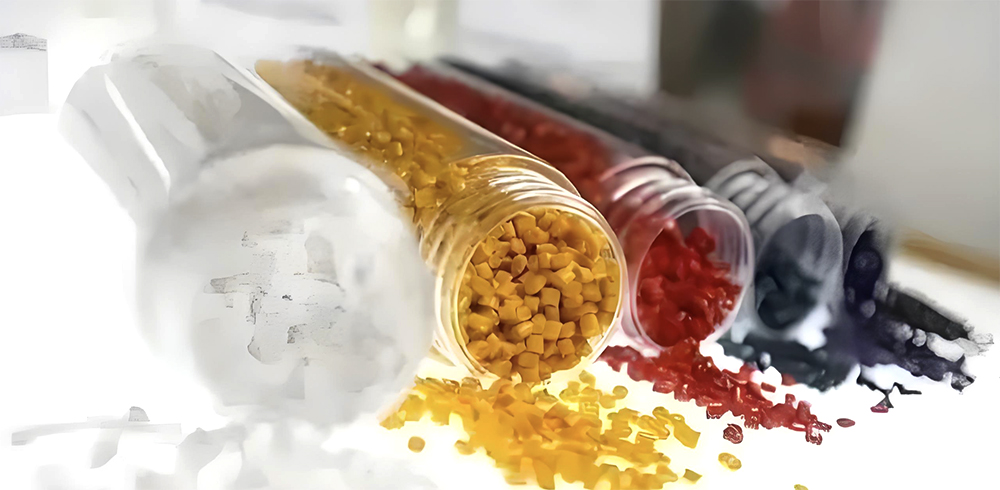
Polyimide modification methods include reinforcement, filling, and alloy blending. Glass fiber, boron fiber, carbon fiber, and metal whiskers can be added for reinforcement to reduce the linear expansion coefficient of polyimide and improve its strength, reduce costs, and be used to manufacture high-strength structural parts. Inorganic fillers, graphite, molybdenum disulfide, or polytetrafluoroethylene can be used as fillers to improve its self-lubricating effect and reduce costs. It can be used to manufacture piston rings, valve seals, bearing seals, and other parts. Polyimide can be blended and modified with epoxy resin, polyurethane, polytetrafluoroethylene, and polyetheretherketone to form a blended alloy.
Ether anhydride polyimide can be used to manufacture compressor blades, piston rings, sealing gaskets, bearings, valve seats, bearings, bearing retainers, bushings, gears, brake pads and other parts.
Thermoplastic polyimide is mainly used in the field of electronics and electrical to manufacture high-temperature sockets, connectors, printed circuit boards, computer hard disks, integrated circuit chip carriers and other components.
In the electrical and electronic industry, parts made of polyetherimide (PEI) materials have been widely used, including high-strength and dimensionally stable connectors, ordinary and miniature relay housings, circuit boards, coils, reflectors, and high-precision optical fiber components. It is particularly noteworthy that using it to replace metal to make optical fiber connectors can optimize the component structure, simplify its manufacturing and assembly steps, and maintain more precise dimensions, thereby ensuring that the cost of the final product is reduced by about 40%.
Impact-resistant polyetherphthalimide sheet Ulteml613 is used to manufacture various parts of aircraft, such as portholes, nose parts, seat backs, inner wall panels, door coverings, and various items for passengers. Composite materials composed of PEI and carbon fiber have been used in the structure of various parts of the latest helicopters. Taking advantage of its excellent mechanical properties, heat resistance and chemical resistance, PEI is used in the automotive field, such as for making high-temperature connectors, high-power headlights and indicator lights, sensors for controlling the external temperature of the car (air conditioning temperature sensors) and sensors for controlling the temperature of the air and fuel mixture (effective combustion temperature sensors). In addition, PEI can also be used as vacuum pump impellers resistant to high-temperature lubricating oil erosion, ground glass joints (sockets) of distiller operating at 180°C, and reflectors for non-lighting anti-fog lamps. PEI has excellent hydrolysis resistance, so it can be used as handles, trays, clamps, prostheses, medical lamp reflectors and dental appliances for medical surgical instruments. PEI has excellent high-temperature mechanical properties and wear resistance, so it can be used to manufacture valve parts for water pipe diverter valves.