
What Is PBI (Polybenzimidazole) Fiber?
Polybenzimidazole (PBI) fiber is a lyotropic liquid crystal heterocyclic polymer known for its outstanding flame retardancy, high temperature resistance, and chemical stability. PBI is mainly produced by polycondensation of aromatic amines and aromatic dicarboxylic acids or their derivatives.
Structural Characteristics of PBI Fiber
PBI is a heterocyclic polymer containing repeating benzimidazole units on its main chain. Its rigid ladder-like molecular structure belongs to poly-1,4-phenylene-2,6-benzdiimidazole. The benzene rings and benzimidazole units create strong intermolecular hydrogen bonds, enhancing interaction forces and performance. PBI is classified into L-PBI (contains some aliphatic chains) and A-PBI (fully aromatic chains).
This rigid structure provides PBI fiber with superior thermal stability, mechanical strength, dielectric properties, self-lubrication, and minimal release of toxic gases when exposed to flames.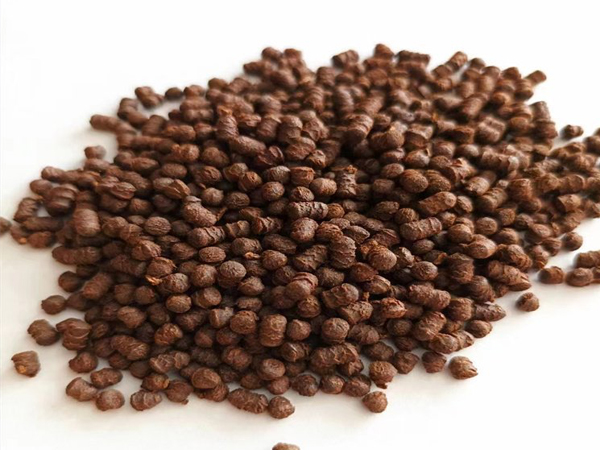
Polymerization and Fiber Spinning Process
Three main methods can synthesize PBI polymer:
- In polyphosphoric acid
- In hot-melt but non-dissolving diluents like butylene sulfone or diphenyl sulfone
- Via solid phase polymerization
Solid phase polymerization is the most practical for industrial applications. The polymerized solid is dissolved into a spinning solution, dry spun through spinnerets, and processed through washing, stretching, and acid treatment to create the final PBI fiber.
Key Performance Characteristics
1. Flame Retardant Properties
PBI fiber has an LOI (Limiting Oxygen Index) of 41%, making it a non-combustible fiber. It does not burn, melt, or drip in air, providing excellent flame retardancy.
2. High and Low Temperature Resistance
The aromatic, heterocyclic structure makes PBI fiber highly heat resistant. It retains full strength at 300°C for 60 minutes, over 90% strength at 350°C for 6 hours, and can withstand brief exposure up to 815°C. At low temperatures down to -196°C, it remains tough and does not become brittle.
3. Chemical and Acid Resistance
PBI fiber is highly stable against strong acids like sulfuric, hydrochloric, and nitric acid, as well as organic solvents, making it ideal for harsh environments.
4. Wearing Comfort
PBI fiber has a density of about 1.43 g/cm3 after acid treatment, similar strength and elongation to viscose fiber, and higher moisture regain (around 15%), which helps prevent static electricity during processing and provides excellent wearing comfort for protective clothing.
5. Dyeability and Appearance
PBI fiber is naturally golden yellow. Disperse and acid dyes can be used, but standard dyeing techniques can be challenging due to the fiber’s high glass transition temperature and rigid hydrogen-bonded structure.
Applications of PBI Fiber
Due to its unique properties, PBI fiber is widely used in high-performance protective clothing for firefighters, military uniforms, industrial safety apparel, aerospace applications, and other demanding technical textiles.


