Explore high-performance polymer films like PPS, LCP, PI, and PEI—manufacturing, properties, modifications, and applications in electronics, aerospace, and 5G.
PPS (Polyphenylene Sulfide) Film
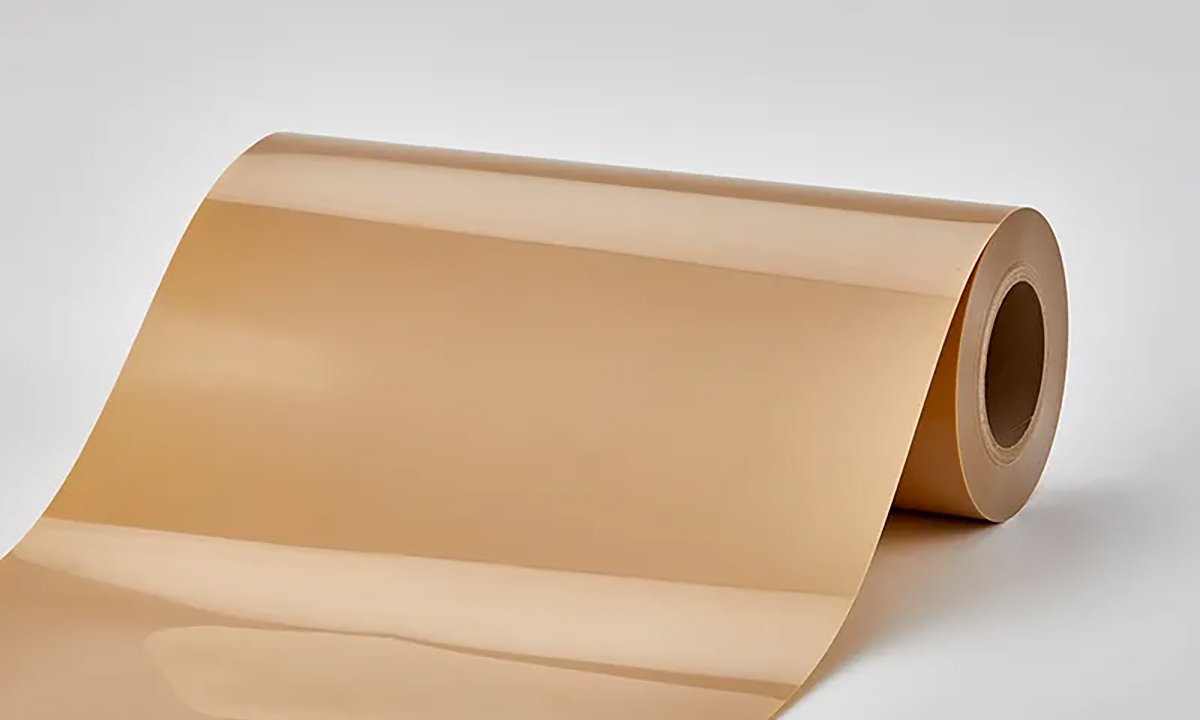
PPS is a thermoplastic resin with a backbone containing benzene sulfide groups. It has rapidly emerged as one of the fastest-growing engineering plastics due to its high heat resistance, flame retardancy, minimal creep at high temperatures, dimensional stability, and excellent mechanical properties.
PPS films exhibit outstanding thermal stability, particularly under high humidity and stress conditions. As shown in the data below, PPS film has comparable tensile strength and modulus to PET but maintains excellent mechanical properties even at cryogenic temperatures (-196°C). Additionally, it offers significant flexibility, making it a suitable insulation material for superconducting applications. PPS film also has exceptional high-frequency electrical properties, with a stable dielectric constant over a wide range of temperatures and frequencies, and its dielectric loss tangent is as low as that of PP.
Typical properties of PPS, PI and PET films
| Item |
|
PPS |
PI |
PET |
| Tensile strength (longitudinal/transverse)/MPa |
300/250 |
180/180 |
250/270 |
| Melting point/℃ |
285 |
No Melting |
265 |
| Thermal expansion coefficient/x10-7℃-1 |
3 |
2 |
1.7 |
| Water absorption/% (humidity is 75%) |
0.05 |
22 |
0.4 |
| Resistance/x10Ω |
0.5 |
1 |
1 |
| Dielectric constant |
1 KHz |
3.0 |
3.5 |
3.3 |
| 1 MHz |
3.0 |
3.4 |
3.2 |
| 1 GHz |
3.0 |
- |
3.1 |
| Dielectric loss tangent |
1 KHz |
0.0006 |
0.003 |
0.002 |
| 1 MHz |
0.0018 |
0.01 |
0.01 |
| 1 GHz |
0.0015 |
- |
0.01 |
 1. PPS Film Preparation Methods
(1) Extrusion Blow Molding
PPS crystallizes rapidly and has poor toughness, making it challenging to process due to unstable melt viscosity. It is prone to rupture during extrusion blow molding. Researchers have developed PPS films using both single-bubble and double-bubble extrusion blow molding methods. The films exhibit high tensile strength and modulus, though the elongation at break is lower for double-bubble films.
(2) Extrusion Casting
Currently, the only industrialized process for PPS film production involves extrusion casting followed by biaxial stretching.
2. PPS Film Modification (1) Filler Modification
(2) Plasma Treatment
3. PPS Film Applications
PPS film is widely used due to its high heat resistance, excellent insulation properties, outstanding dielectric performance, flame retardancy, and superior mechanical properties.
(1) Electrical Insulation Materials
Compared to PET films, PPS films offer superior heat resistance, voltage resistance, and electrical insulation, while maintaining mechanical strength at high temperatures. They are ideal for use in electric motors, batteries, rotary compressors, and other high-speed rotating machinery to enhance reliability. PPS films are also used in high-power transformers where miniaturization and stringent safety standards are required.
(2) Capacitor Insulation Materials
PPS film capacitors exhibit low loss and low equivalent series resistance (ESR), making them suitable for high-frequency, high-current switching power supplies. Similar to PP capacitors, PPS capacitors have low moisture absorption and excellent chemical resistance, ensuring stable capacitance in humid environments.
LCP (Liquid Crystal Polymer) Film
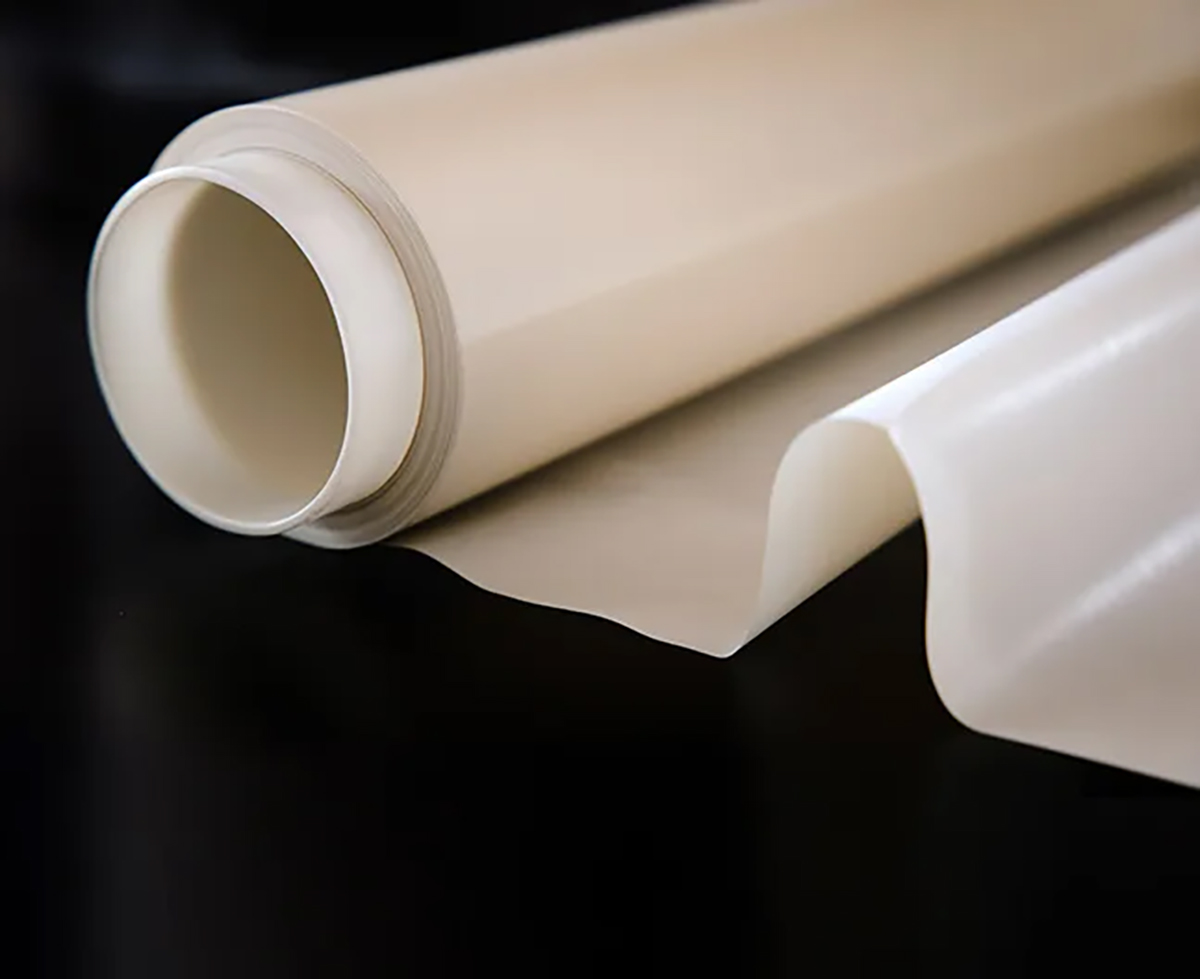
LCP is an intermediate-state polymer between solid crystals and liquids, offering excellent mechanical properties, dimensional stability, electrical performance, chemical resistance, flame retardancy, heat resistance, and a low thermal expansion coefficient. LCP films are highly flexible with excellent dielectric properties, making them ideal for 5G communications and LCD applications. However, challenges include high anisotropy, difficult processing control, and a tendency toward fibrillation.
1. LCP Film Preparation Methods
(1) Extrusion Casting
LCP films produced through extrusion casting have significant longitudinal orientation, making them prone to tearing in the transverse direction. However, they exhibit high flexibility and stiffness, making them suitable for copper-clad laminates (CCL).
(2) Extrusion Blow Molding
This method effectively addresses the anisotropy issue in LCP films and is currently the most mature industrial process for LCP film production.
2. LCP Film Modification (1) Chemical Modification By applying electroless copper plating with KMnO4 as an etchant, LCP films achieve a maximum adhesion strength of 12.08 MPa at an optimal etching time of 20 minutes, surpassing previously reported values of 8.0 MPa.
(2) Plasma Treatment
3. Application of LCP film
LCP film has the characteristics of low dielectric constant and dielectric loss, and is widely used in 5G communications, flexible printed circuits and other fields.
PEI (Polyetherimide) Film
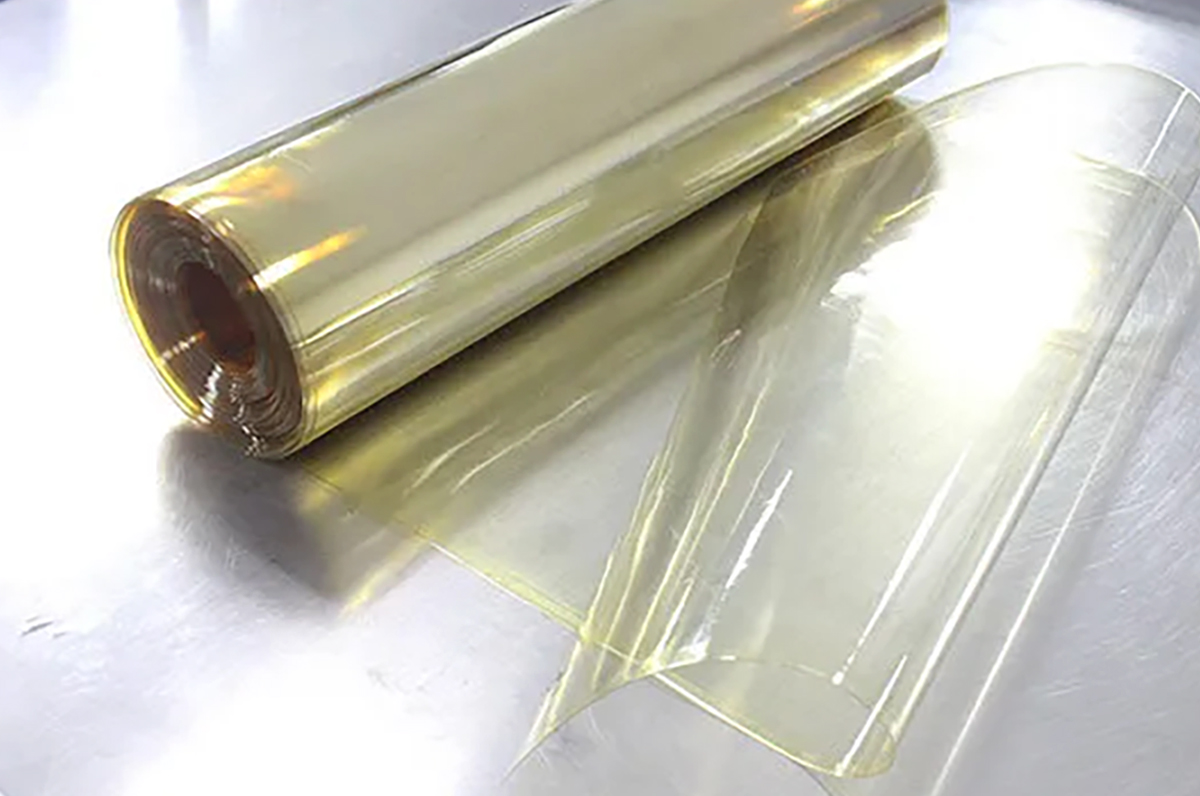
PEI has an exceptional decomposition temperature (530–550°C) and a low-temperature embrittlement threshold (-160°C), making it highly resistant to temperature extremes. Among non-reinforced plastics, it has the highest room-temperature tensile strength and excellent creep resistance. It also boasts an extremely high volume resistivity (>1×10¹⁷ Ω·cm) and a dielectric breakdown strength of 33–35 kV/mm, maintaining stable dielectric properties over a broad frequency and temperature range.
(1) Extrusion Casting
(2) Solution Casting
2. PEI Film Modification (1) Filler Modification
(2) Grafting Modification
(3) UV Radiation Modification
3. PEI Film Applications PEI films are widely used in EMI shielding, displays, and fuel cells due to their superior chemical resistance, high-temperature stability, and excellent mechanical and electrical properties.
PSF (Polysulfone) Film
PSF is a thermoplastic resin with diphenyl sulfone groups in its molecular structure, offering high strength, high modulus, low creep, excellent thermal stability, and superior aging resistance. It maintains its mechanical properties even at high temperatures and retains flexibility at -100°C. Additionally, PSF films demonstrate outstanding dielectric stability over a wide temperature and frequency range, making them ideal for heat-resistant film capacitors.
1. PSF Film Preparation Methods (1) Solution Casting
Researchers have developed PSF/MWCNT composite films through solution casting, significantly enhancing conductivity with MWCNT contents between 0.05% and 0.3%.
(2) Extrusion Blow Molding
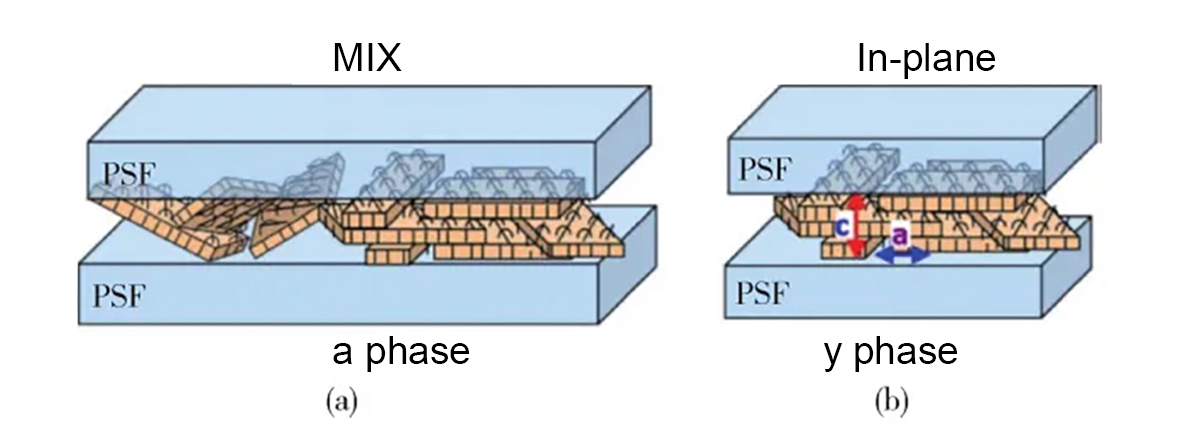
Studies have explored multilayer PSF/PVDF films produced via layer-multiplying co-extrusion blow molding, identifying a preferred α-crystal orientation in PVDF layers relative to the PSF/PVDF interface.
 2. PSF Film Modification
 (1) Grafting Modification
(2) Filler Modification
3. PSF Film Applications PSF films are extensively used in fuel cells and film capacitors due to their superior dielectric, mechanical, and chemical properties.
PI (Polyimide) Film
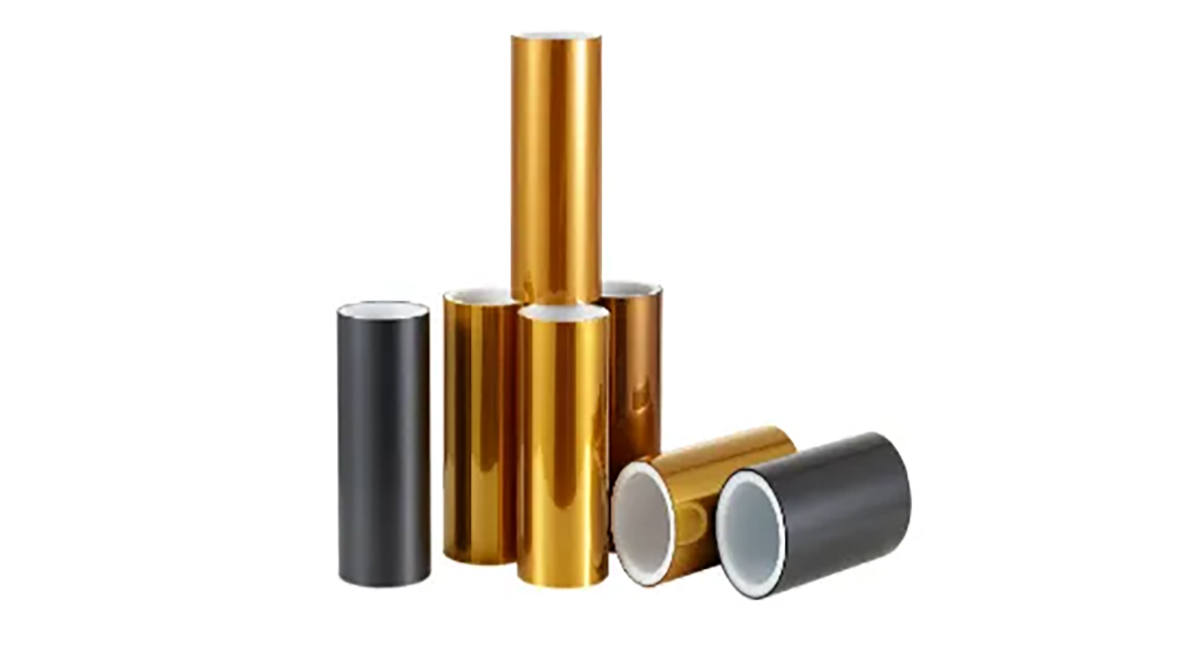
PI is a thermoplastic resin with imide groups in its backbone, known for its exceptional heat resistance, mechanical strength, dimensional stability, and electrical insulation properties. It finds extensive applications in aerospace, electronics, telecommunications, and composite materials. PI films are yellowish, transparent, and capable of long-term operation between -269°C and 280°C, with short-term heat resistance up to 400°C. These attributes make PI films particularly suited for flexible printed circuits, 5G communications, and LCD displays.
(1) Solution Casting
Researchers have developed PI films through polyamic acid solution casting, drying, stretching, and thermal imidization.
(2) Blow Molding
NASA's Langley Research Center has developed a novel blow molding process for ultra-thin PI films, different from conventional blow molding techniques. Their setup, blowing from top to bottom, has led to a prototype device successfully producing ultra-thin PI films.
2. PI Film Modification (1) Filler Modification
Researchers have incorporated BaTiO3 nanoparticles into PI via in-situ polymerization, then processed the films through solution casting.
(2) Plasma Treatment
3. PI Film Applications Due to their superior high-temperature resistance, dimensional stability, and mechanical properties, PI films are used in fuel cells, flexible printed circuits, LCD displays, 5G communications, insulation components, wiring, and microelectronics.


